
Kyushu Scouting Report: The Good, the Wet, and the Windy
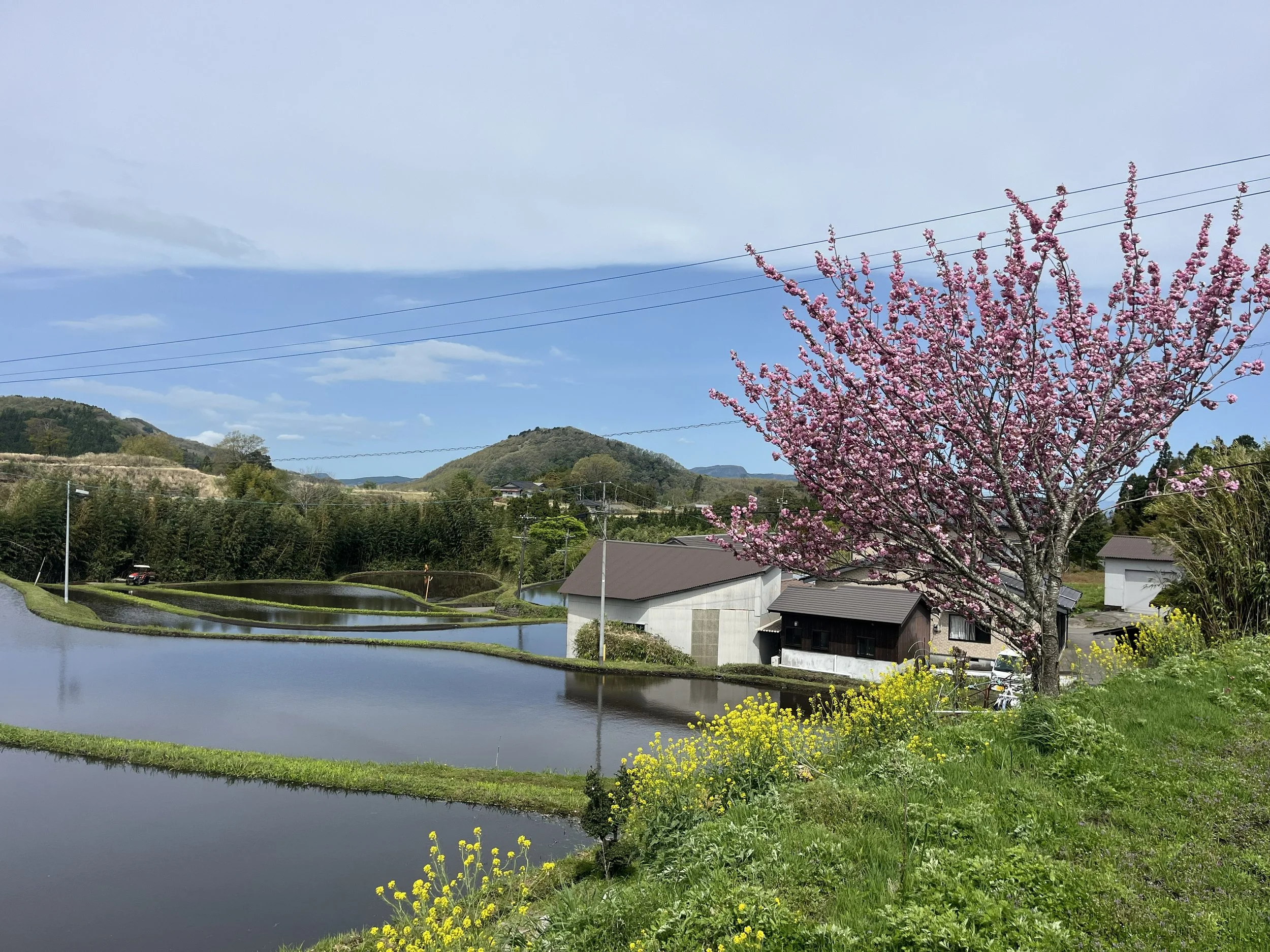
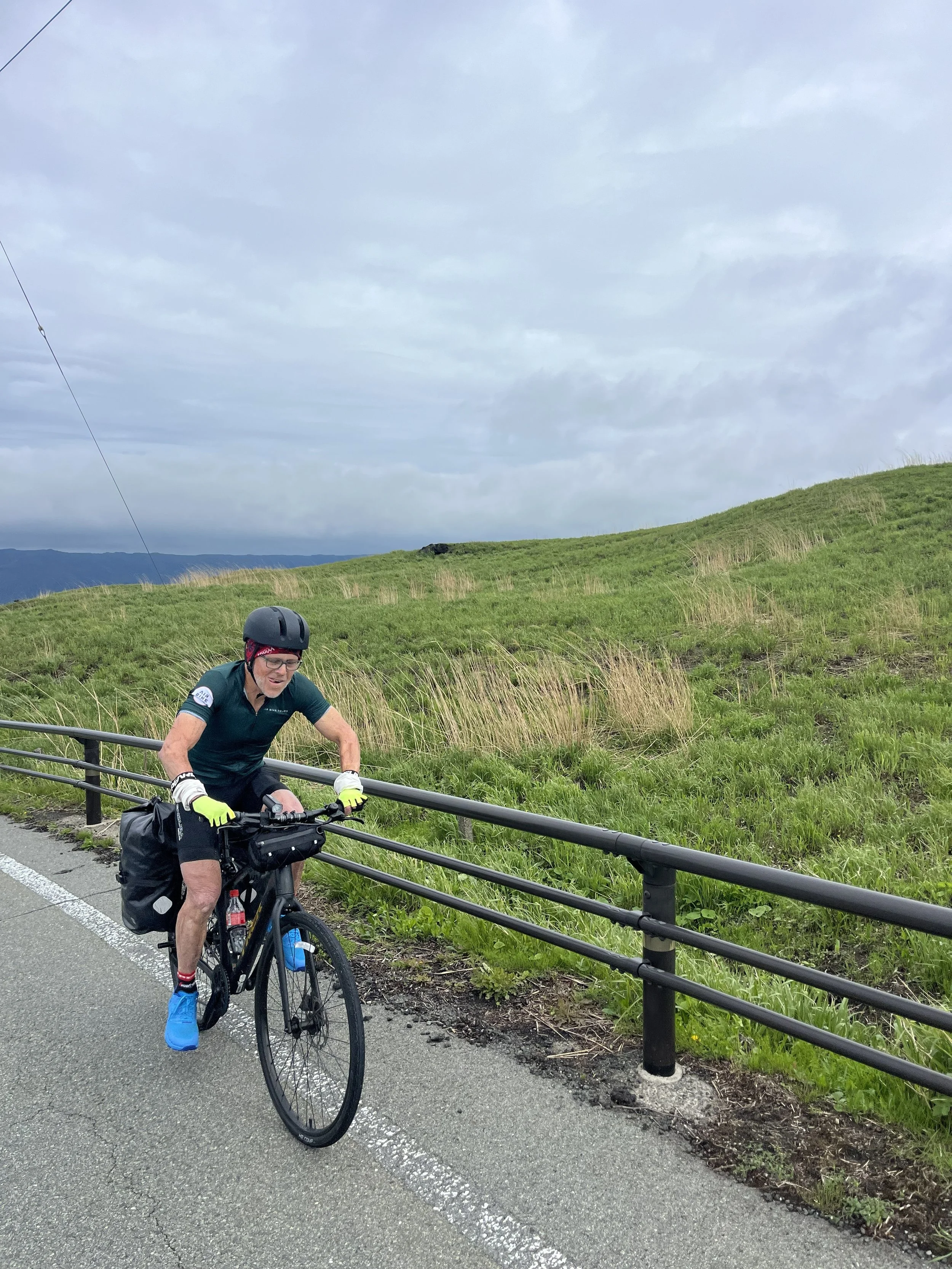
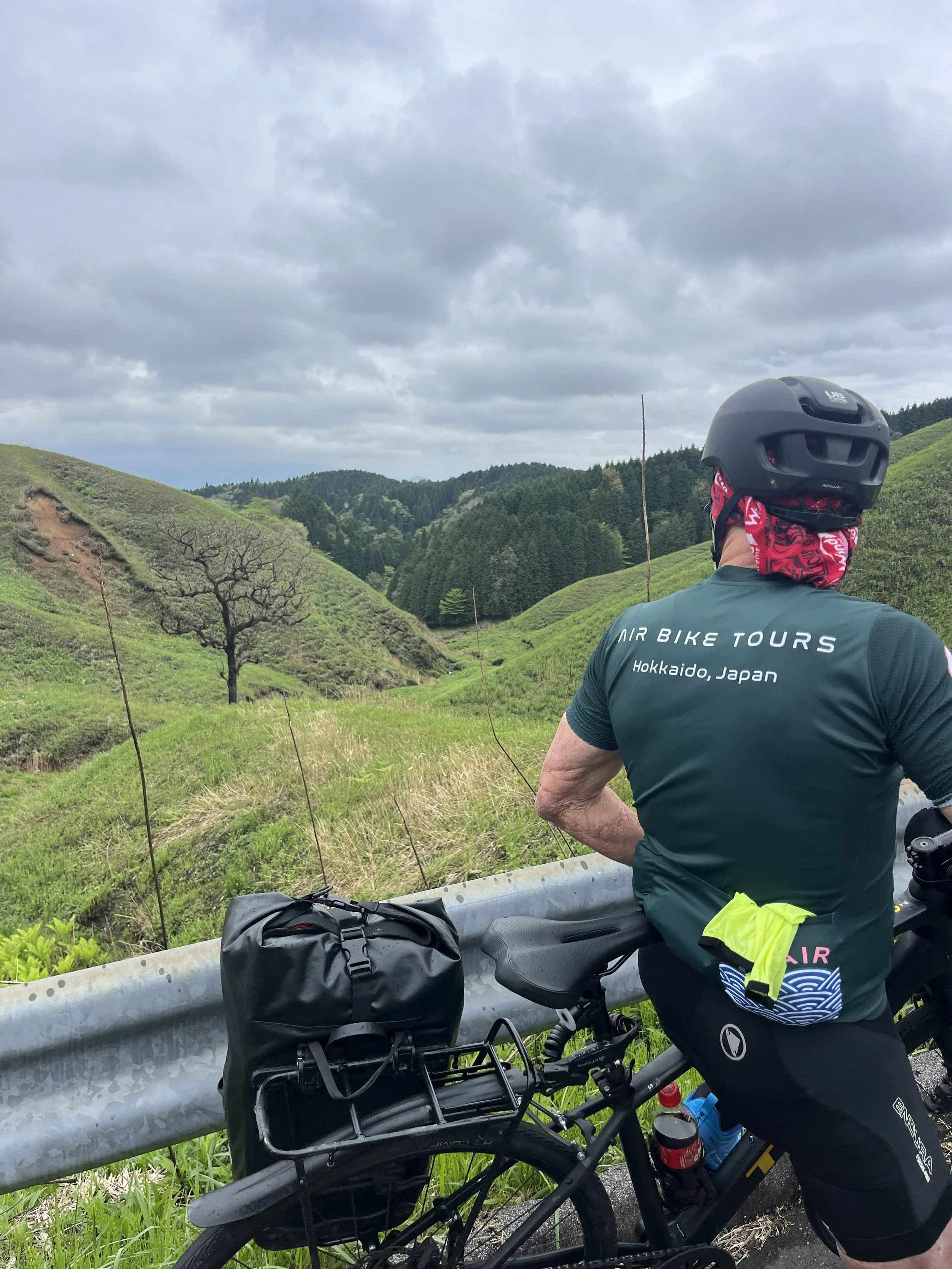
The ABT Scouting Team recently wrapped up a week in Kyushu. Our goal was to vet a new equipment partner and map out two distinct segments for our upcoming tours: the volcanic climbs of the Aso region and the coastal roads of Miyazaki.
It wasn't all sunshine and smooth tarmac, we dealt with heavy rain and a few mechanicals, but that’s exactly why we scout. Here’s a look at what we found.
Part 1: The Mountains (Kumamoto to Beppu)
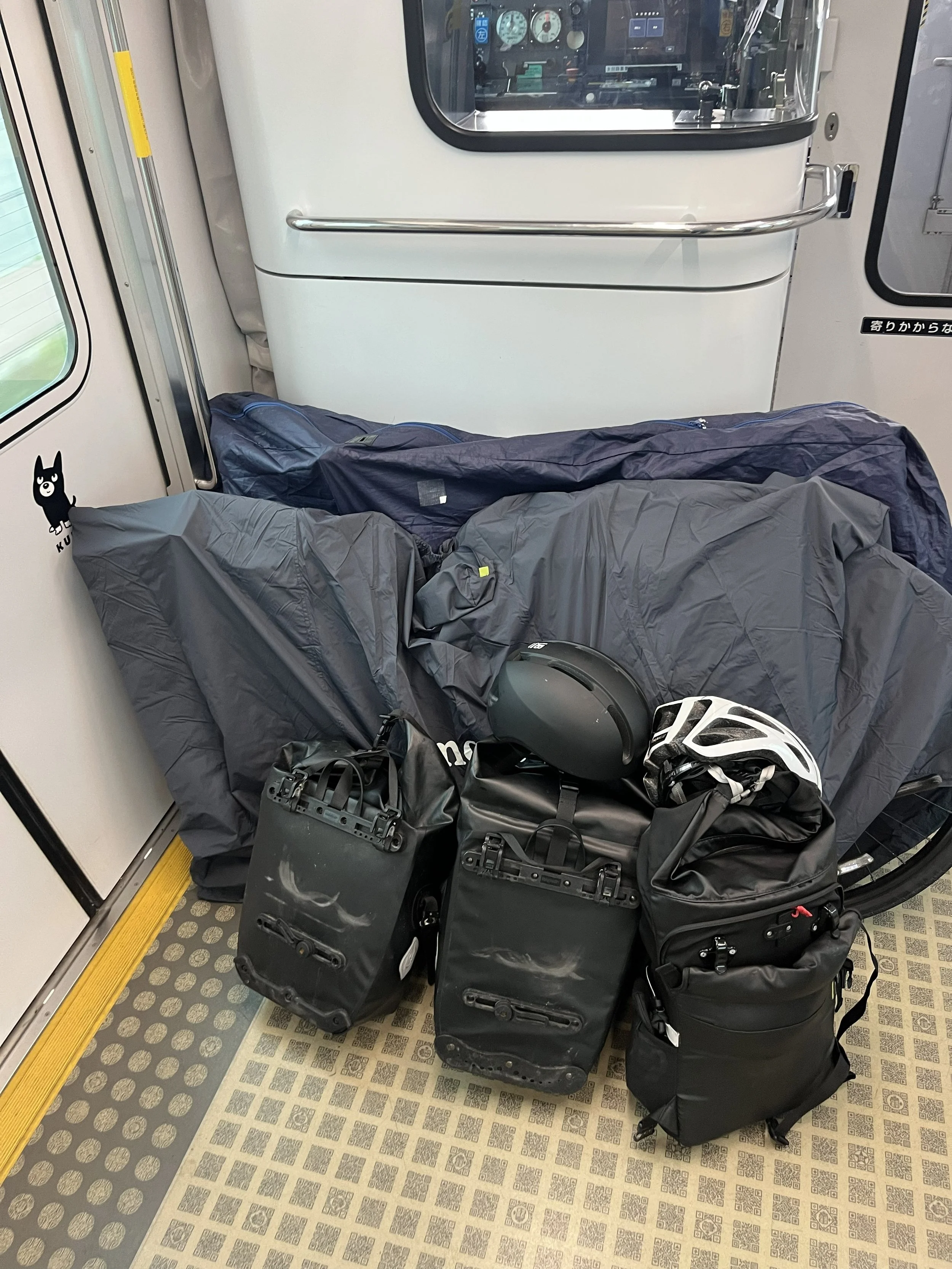
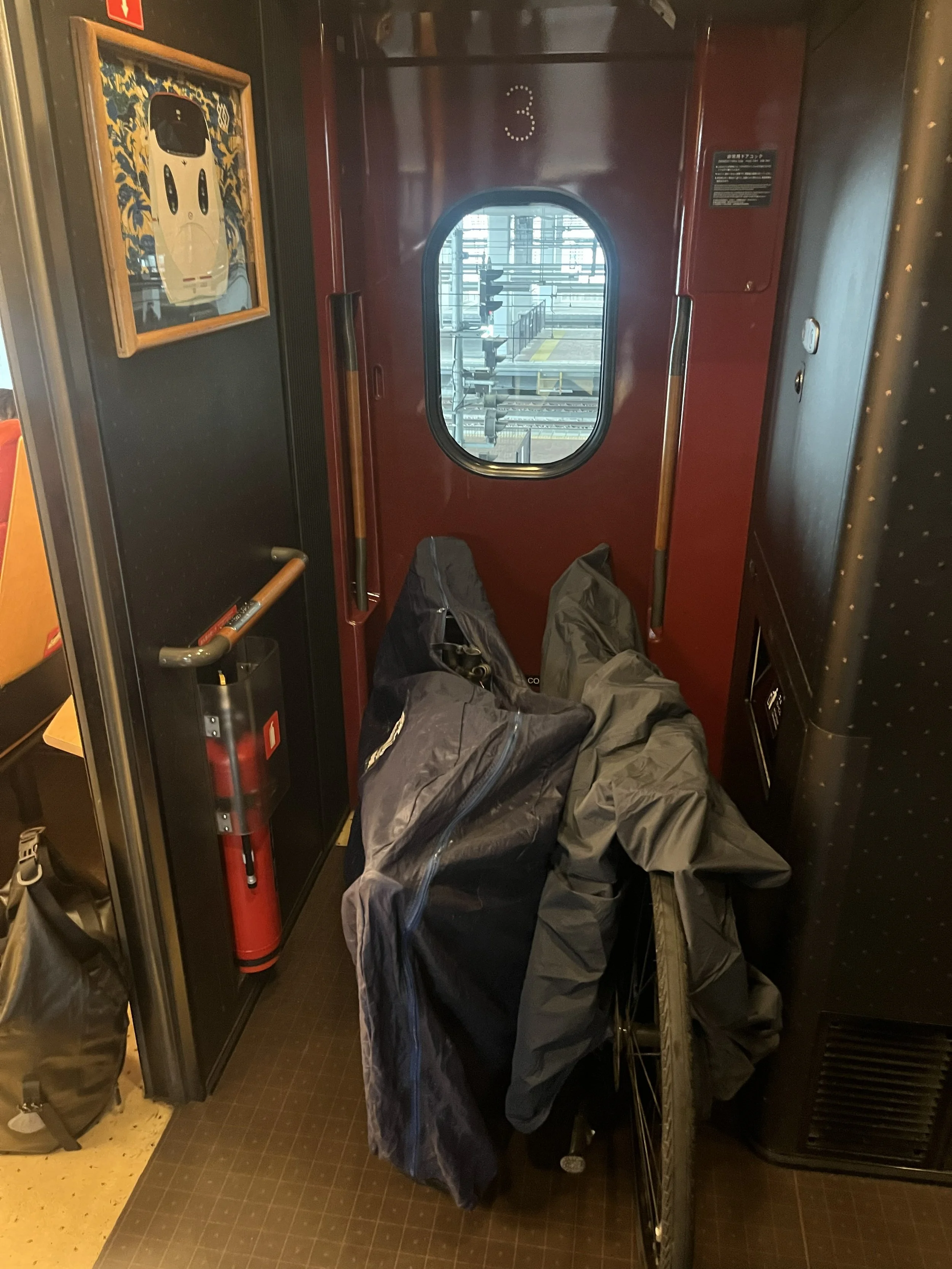
We started in the north, testing the logistics of the Rinko (bike bag) system on the Shinkansen. It was a seamless process, and a good reminder that Japan’s rail system remains the most bike-friendly way to get to the start line.
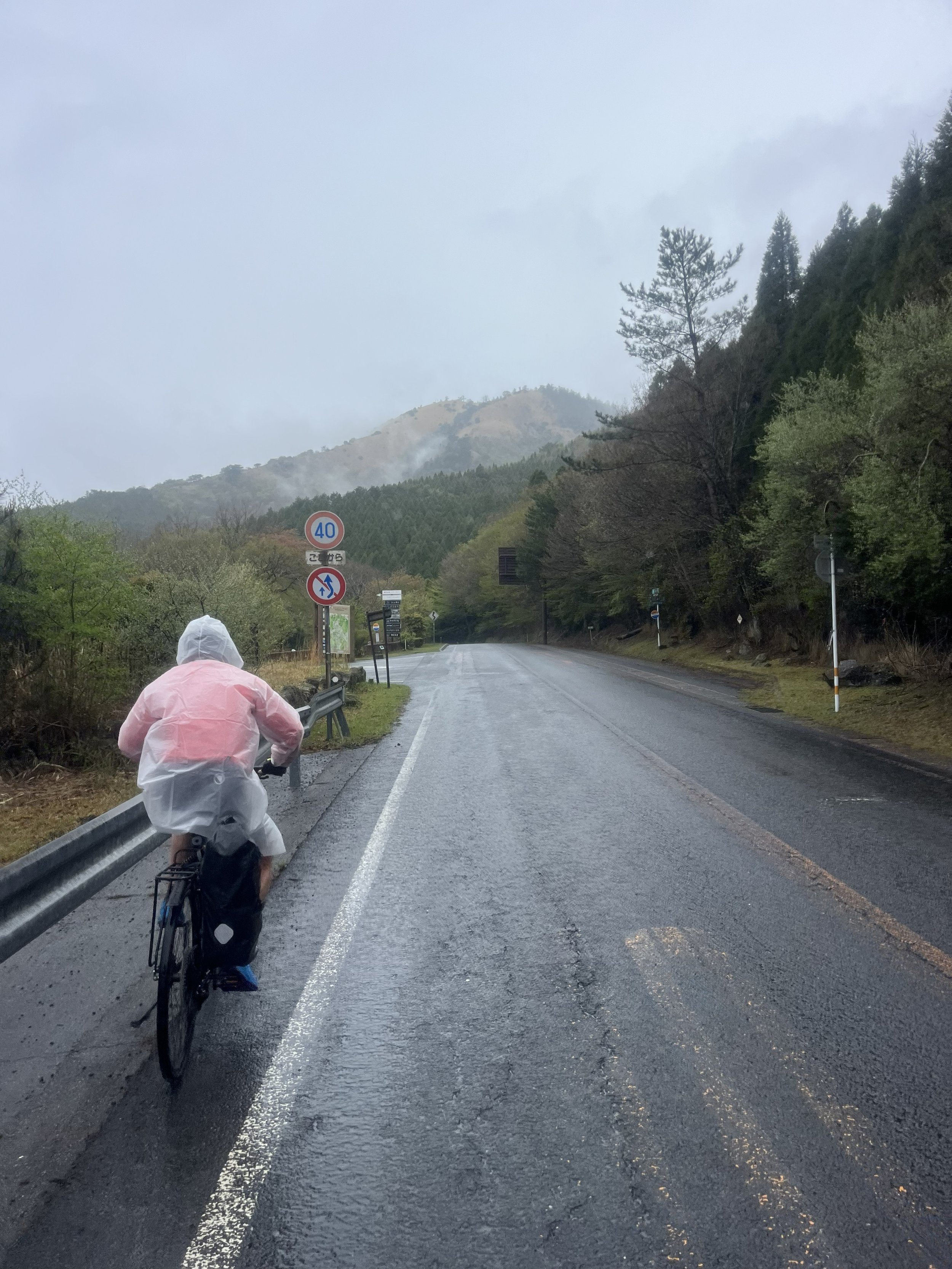
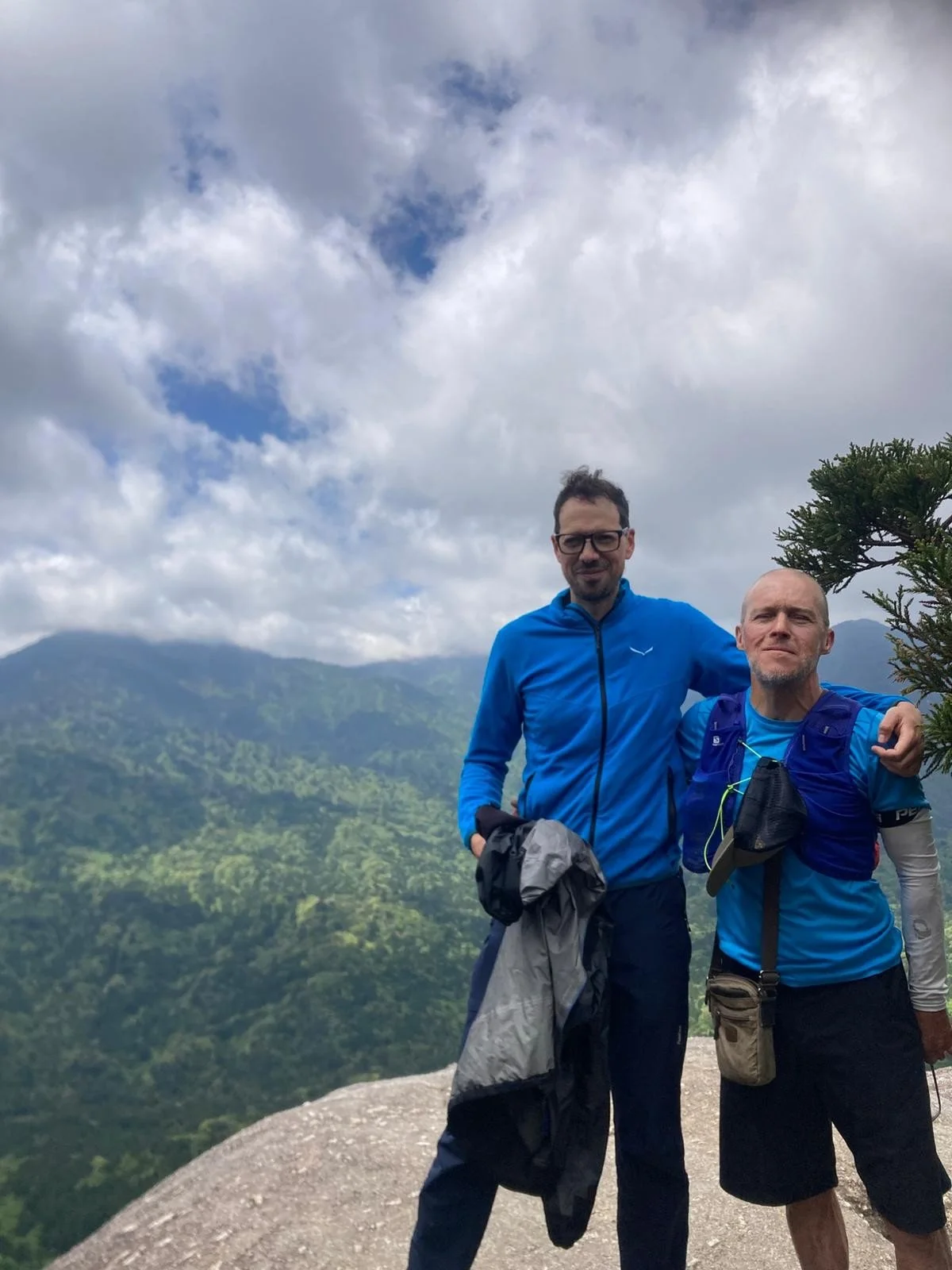
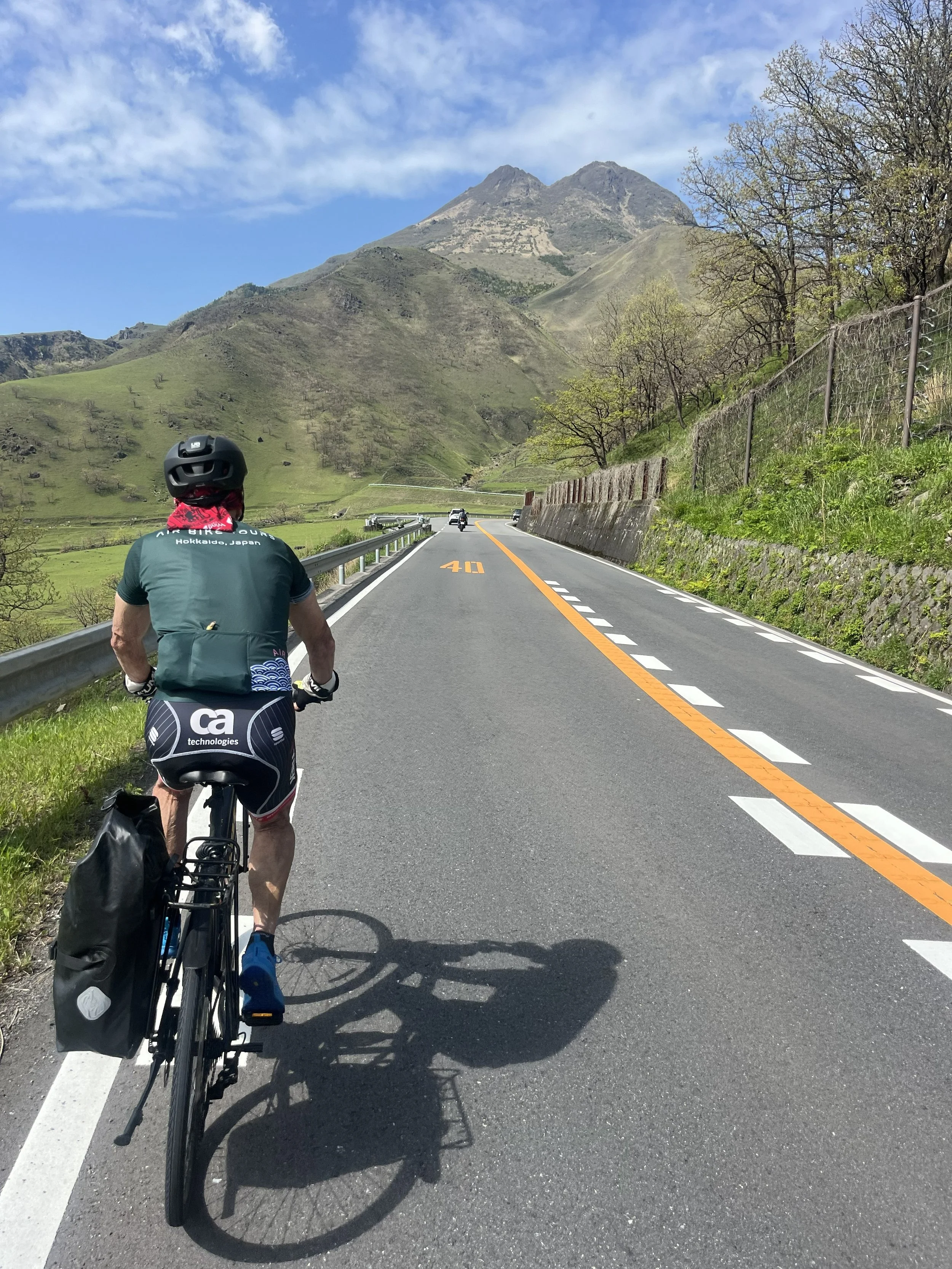
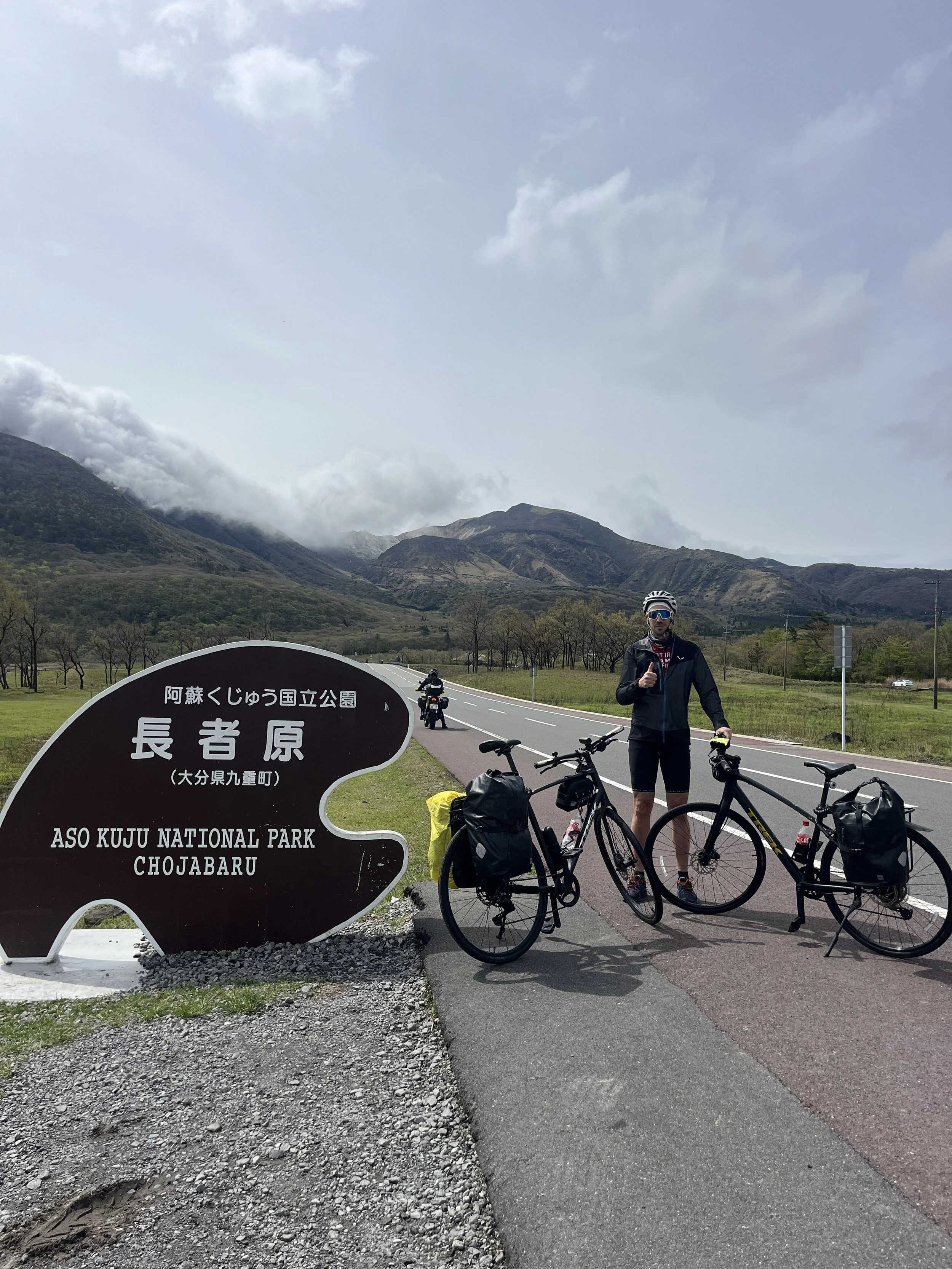
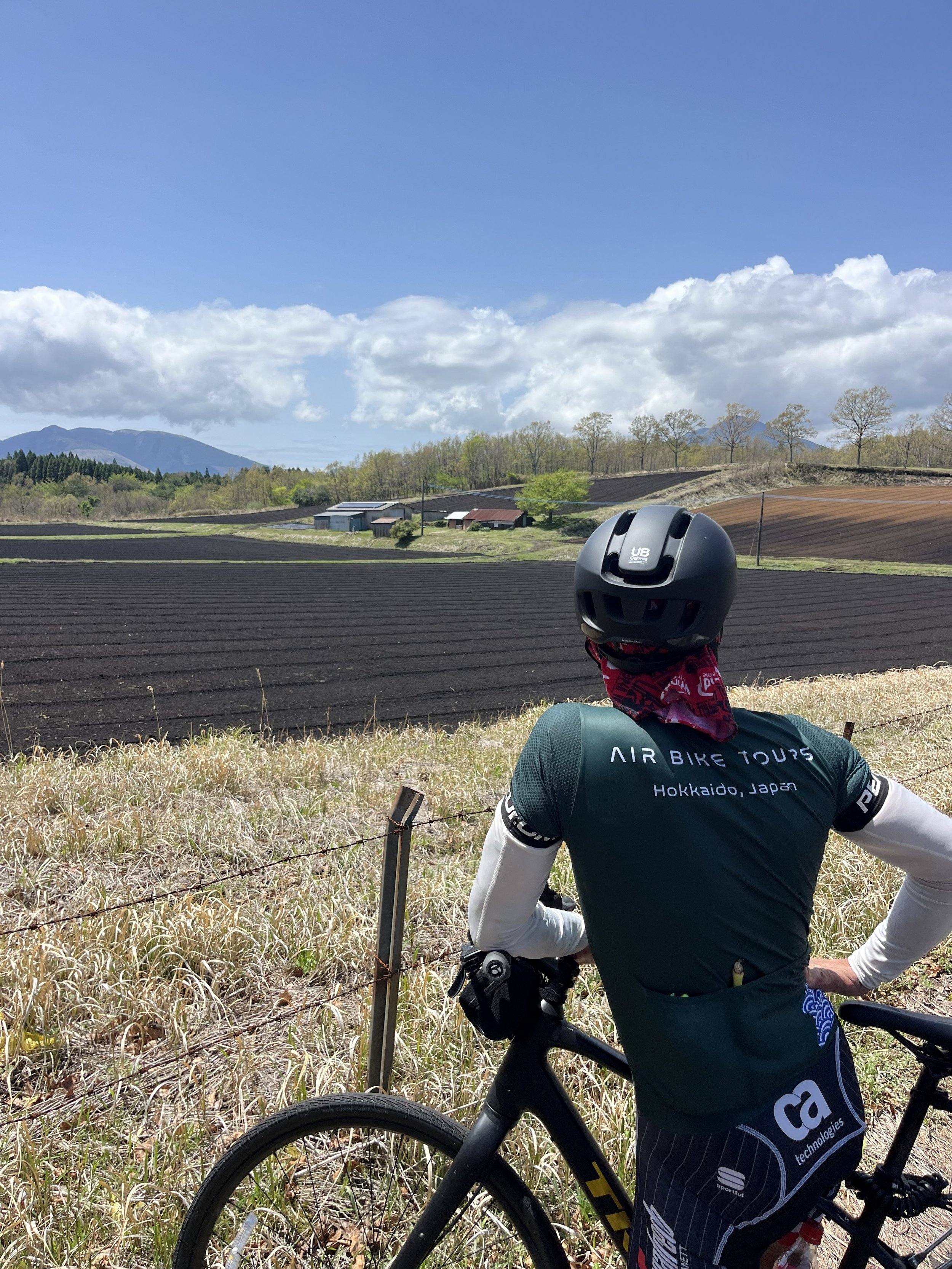
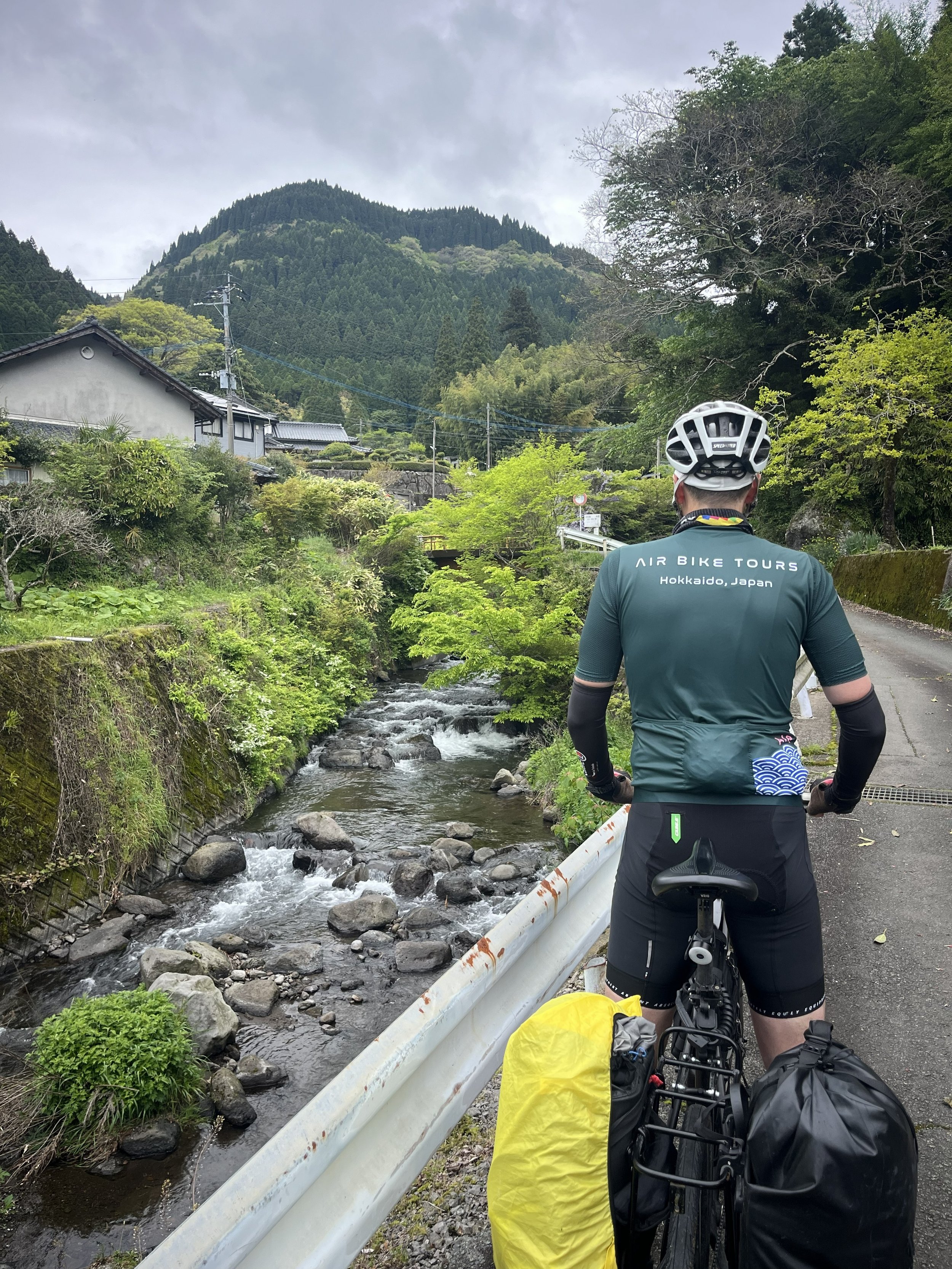
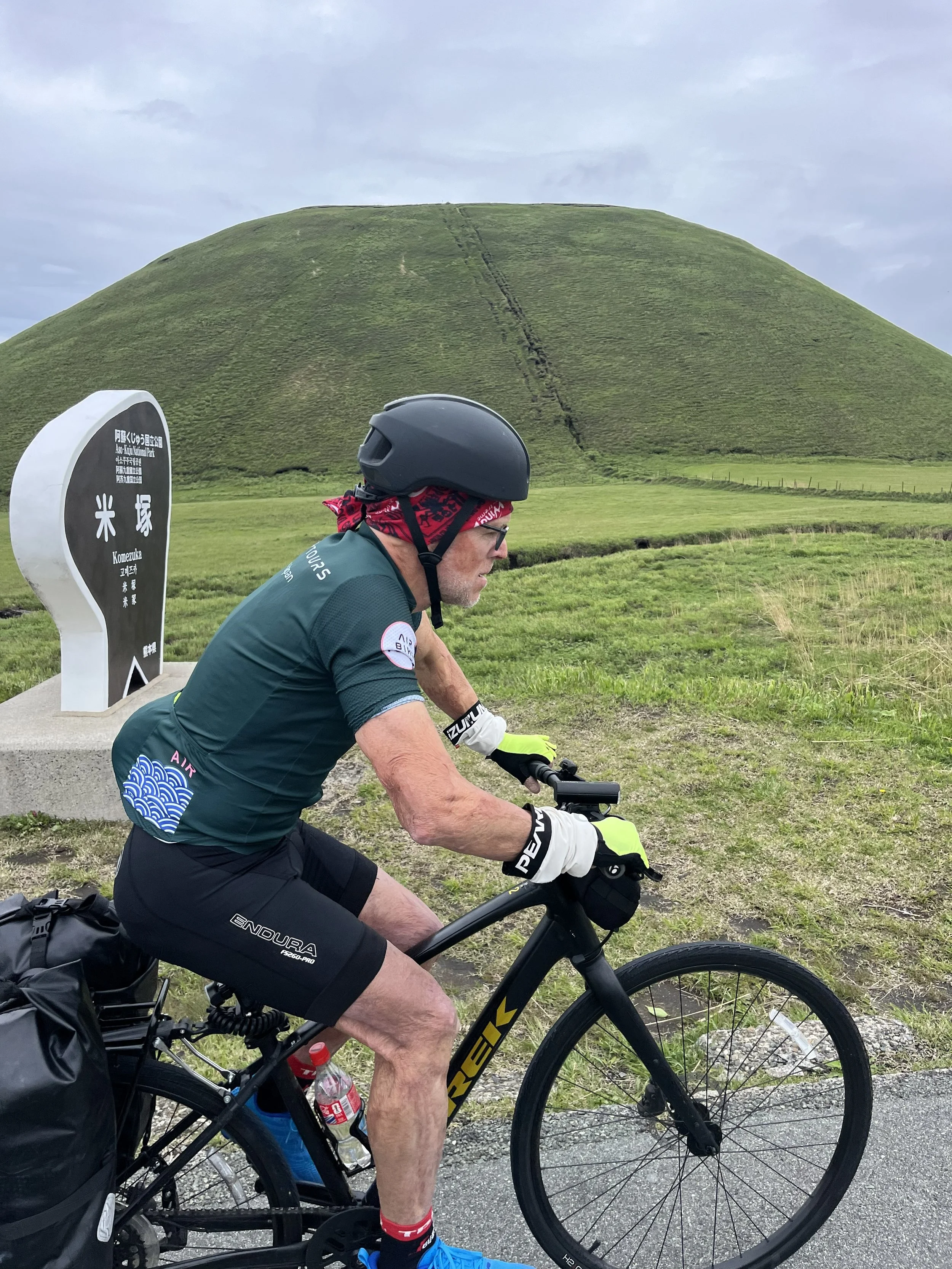
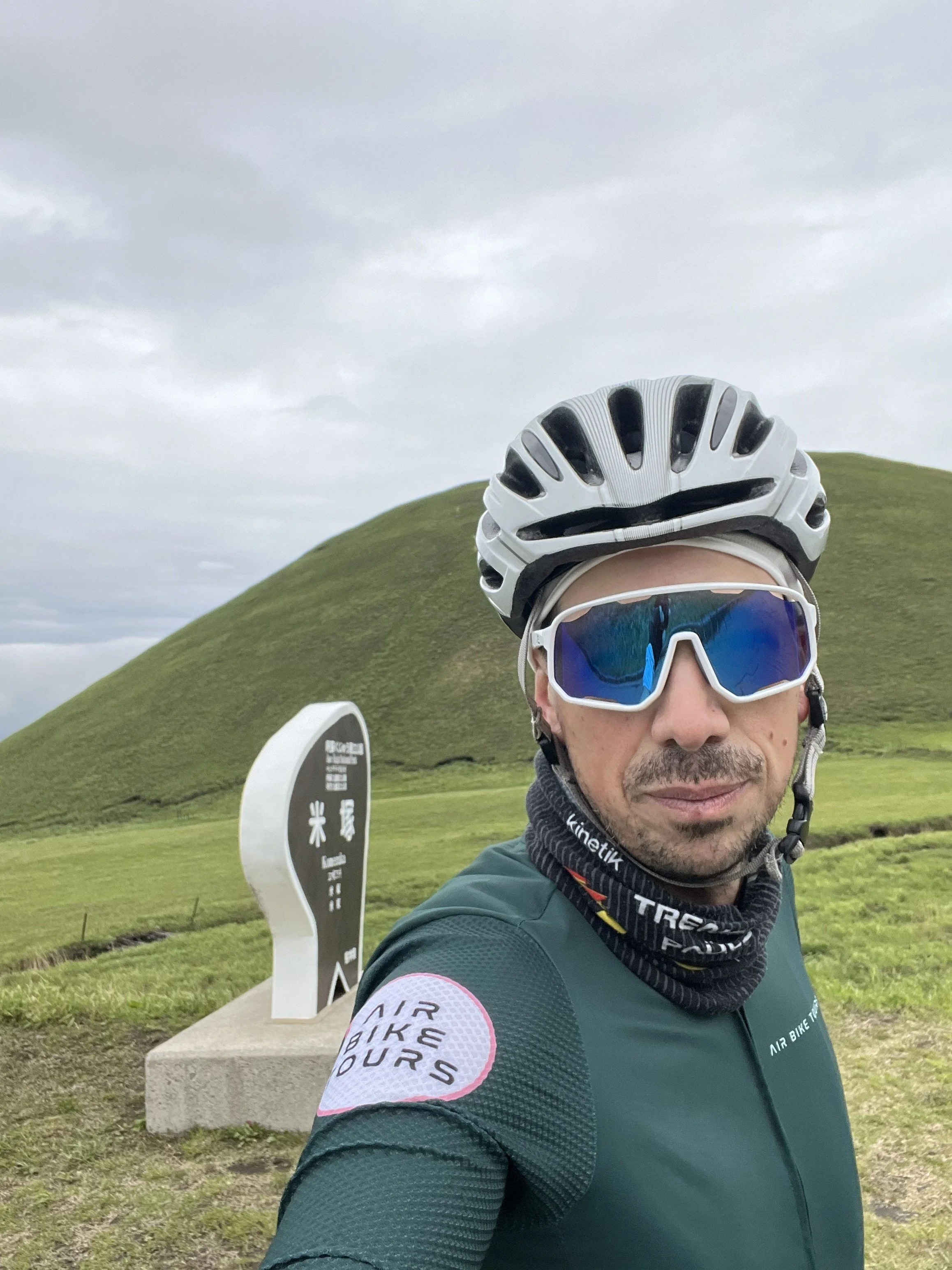
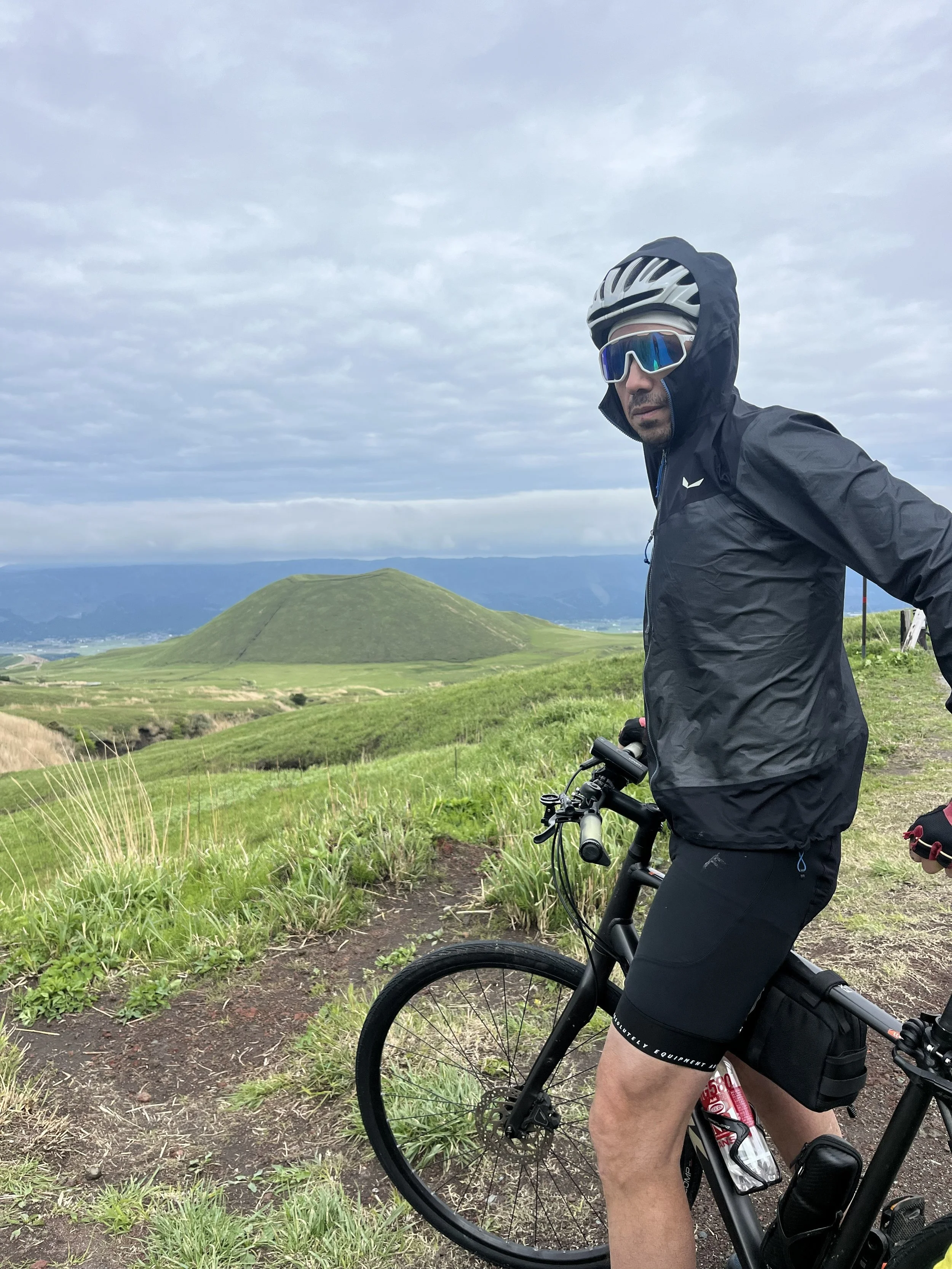
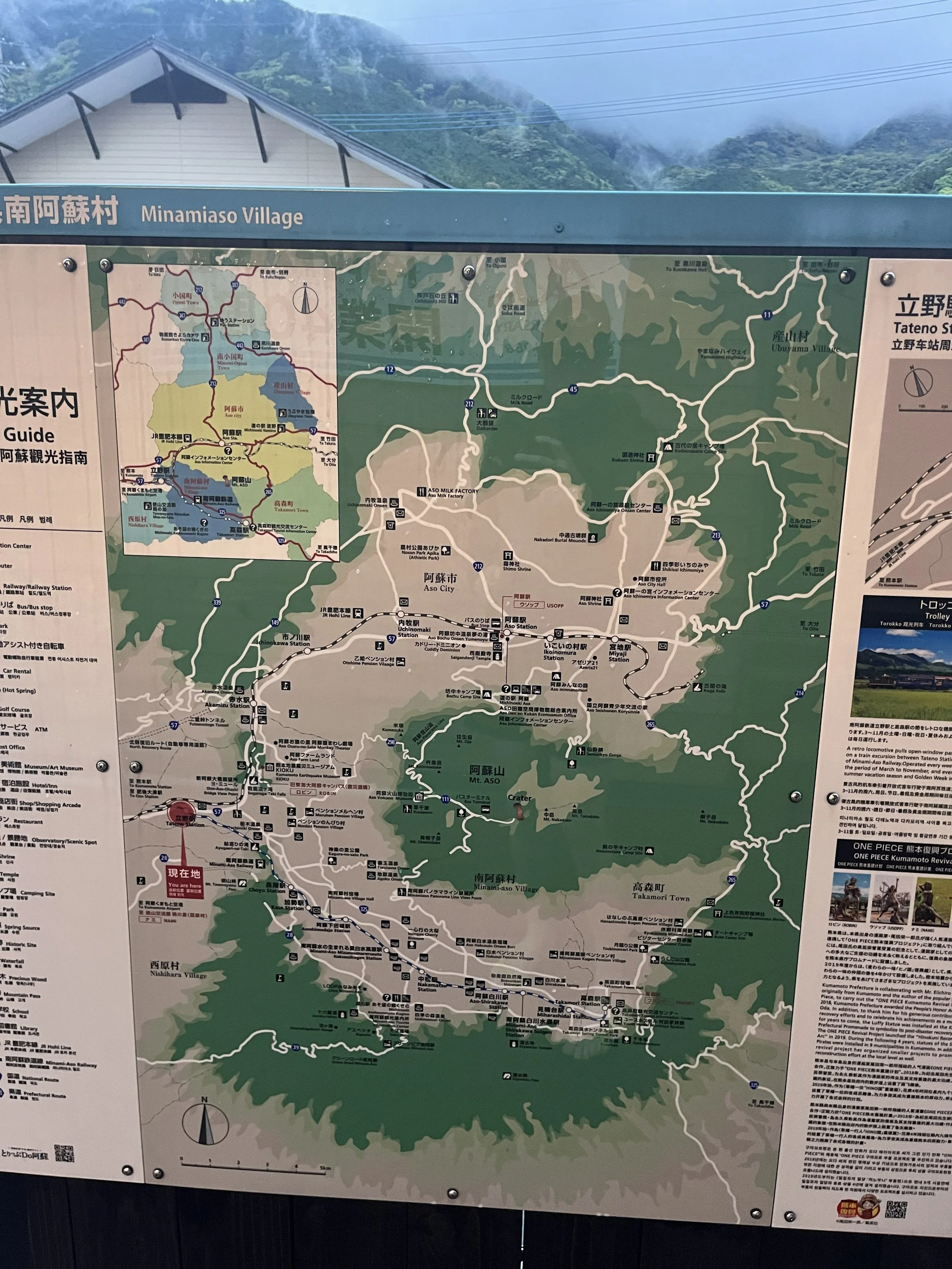
The Route: We focused on the Aso-Kuju National Park. A massive rainstorm forced us to pivot on Day 3, trading the bikes for a support vehicle to scout the caldera.
Key Highlights: The Shin Aso Ohashi Bridge is a must-see. Standing nearly 100 meters over the Kurokawa River, it’s a powerful example of the region's recovery since the 2016 earthquake.
The Weather Factor: The Kuju Mountains reminded us how quickly the temperature can drop. We hit 8°C with heavy wind, which forced us to cut a day short. The silver lining? We spent more time at local onsens and met residents who kept us fueled with fresh mochi while we waited out the storms.
Part 2: The Coast (Miyazaki to Kushima)
After the mountains, we headed south for a 60km stretch along the Pacific. This segment is the polar opposite of Aso-palm trees, coastal shrines, and a much flatter profile.
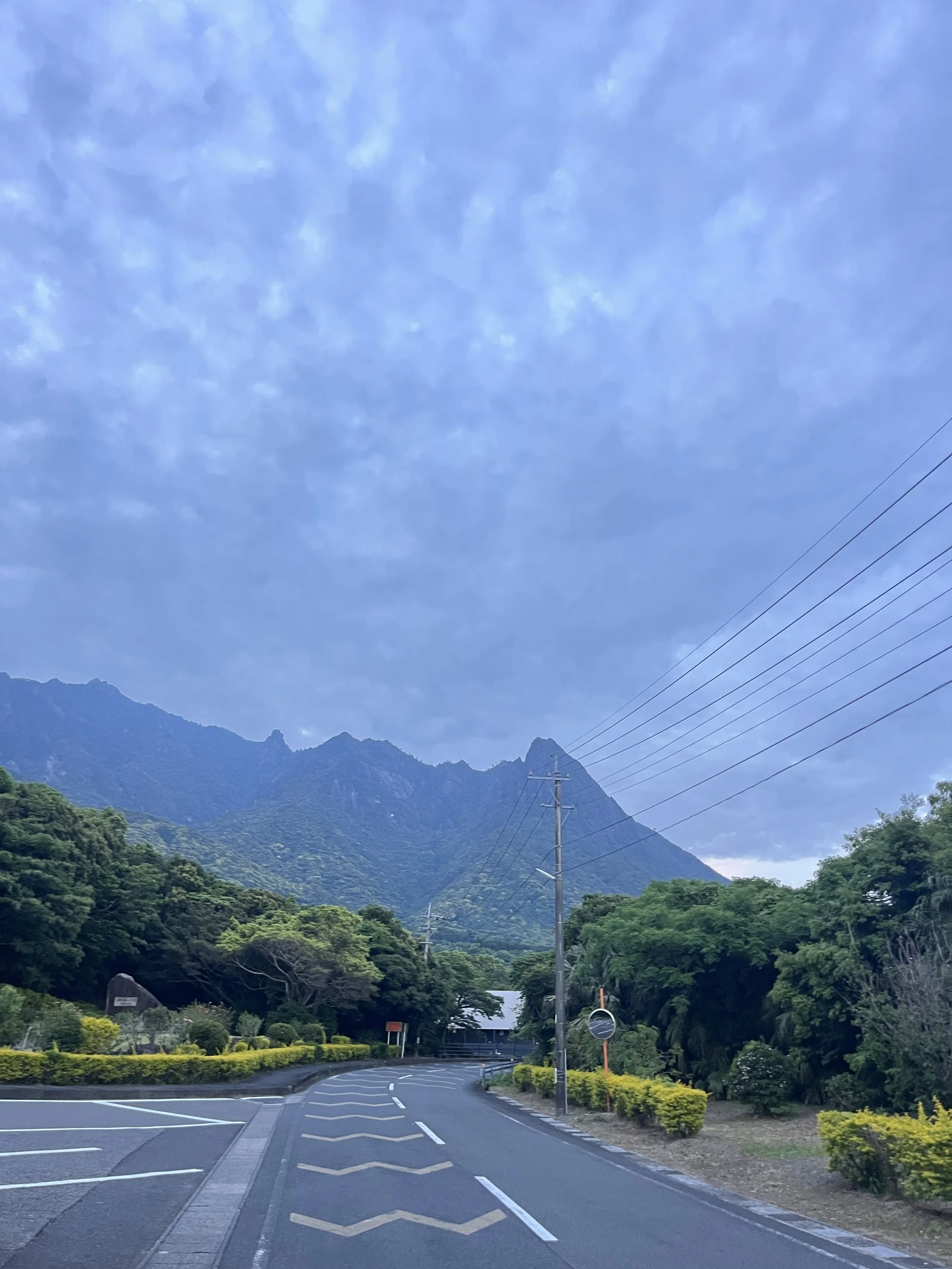
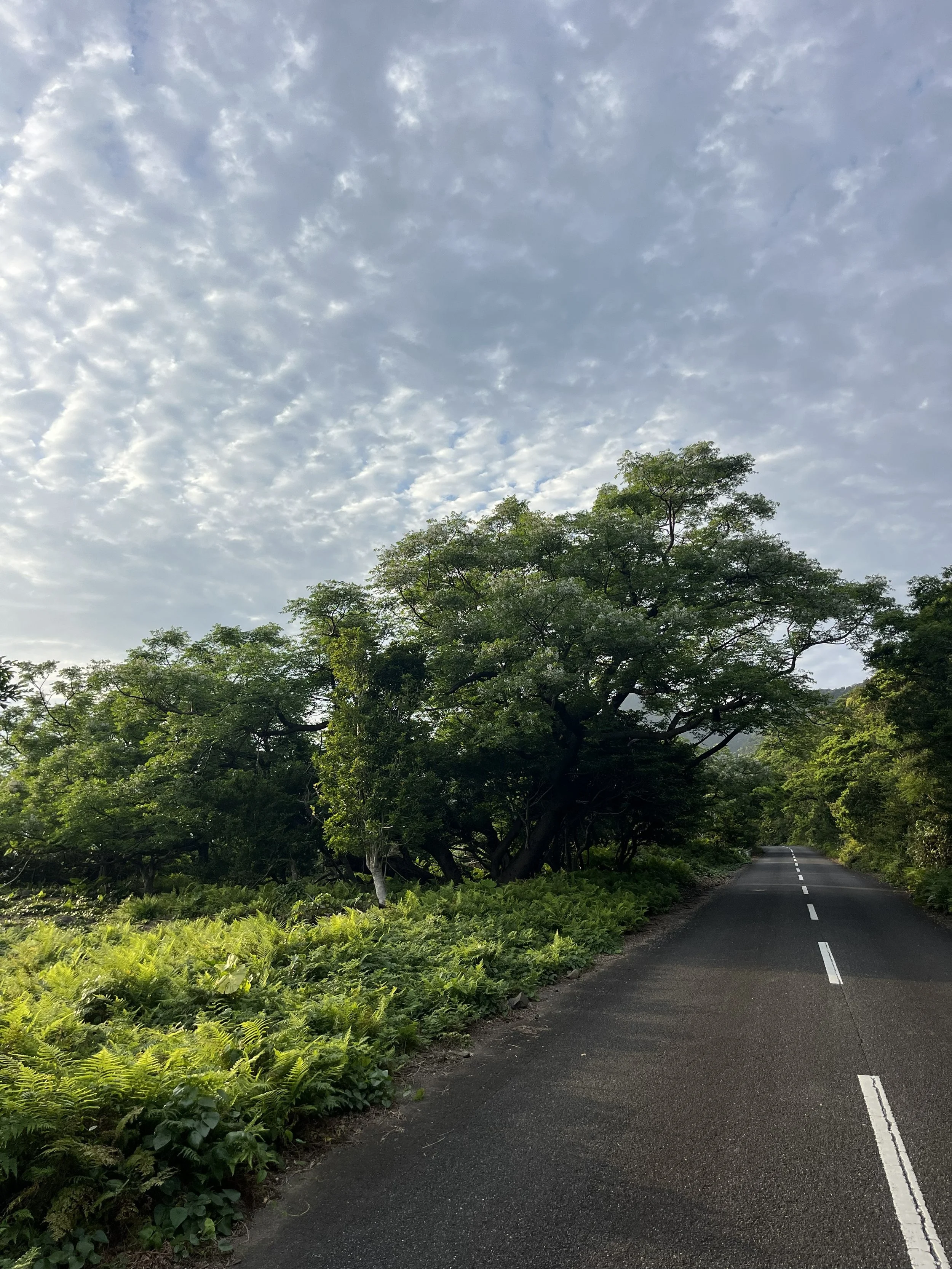
Road Quality: The Nichinan Coast (Route 220) is excellent for cycling. We passed the "Devil’s Washboard" rock formations and the Moai statues at Sun Messe, confirming that this is one of the most scenic coastal stretches in Japan.
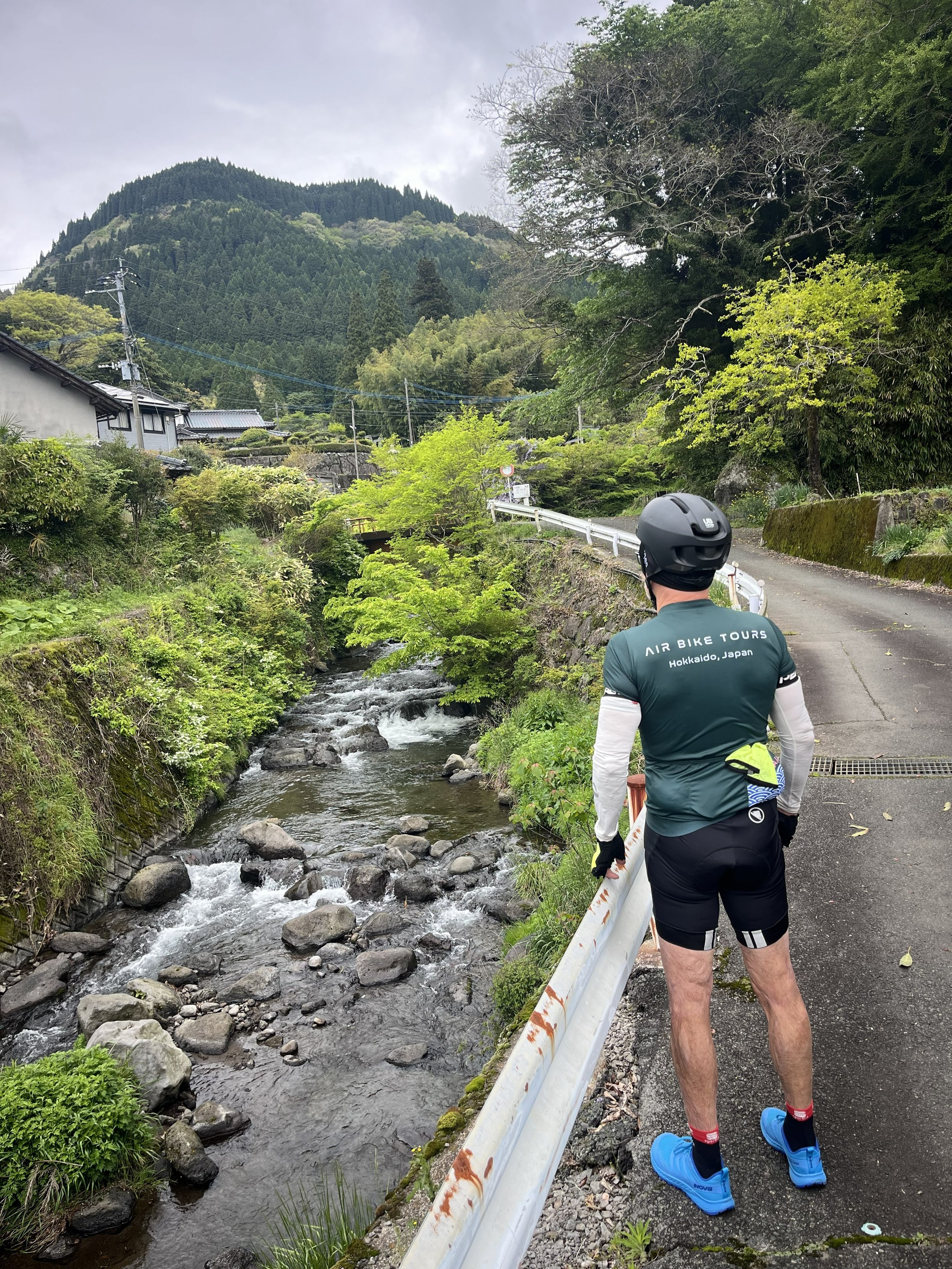
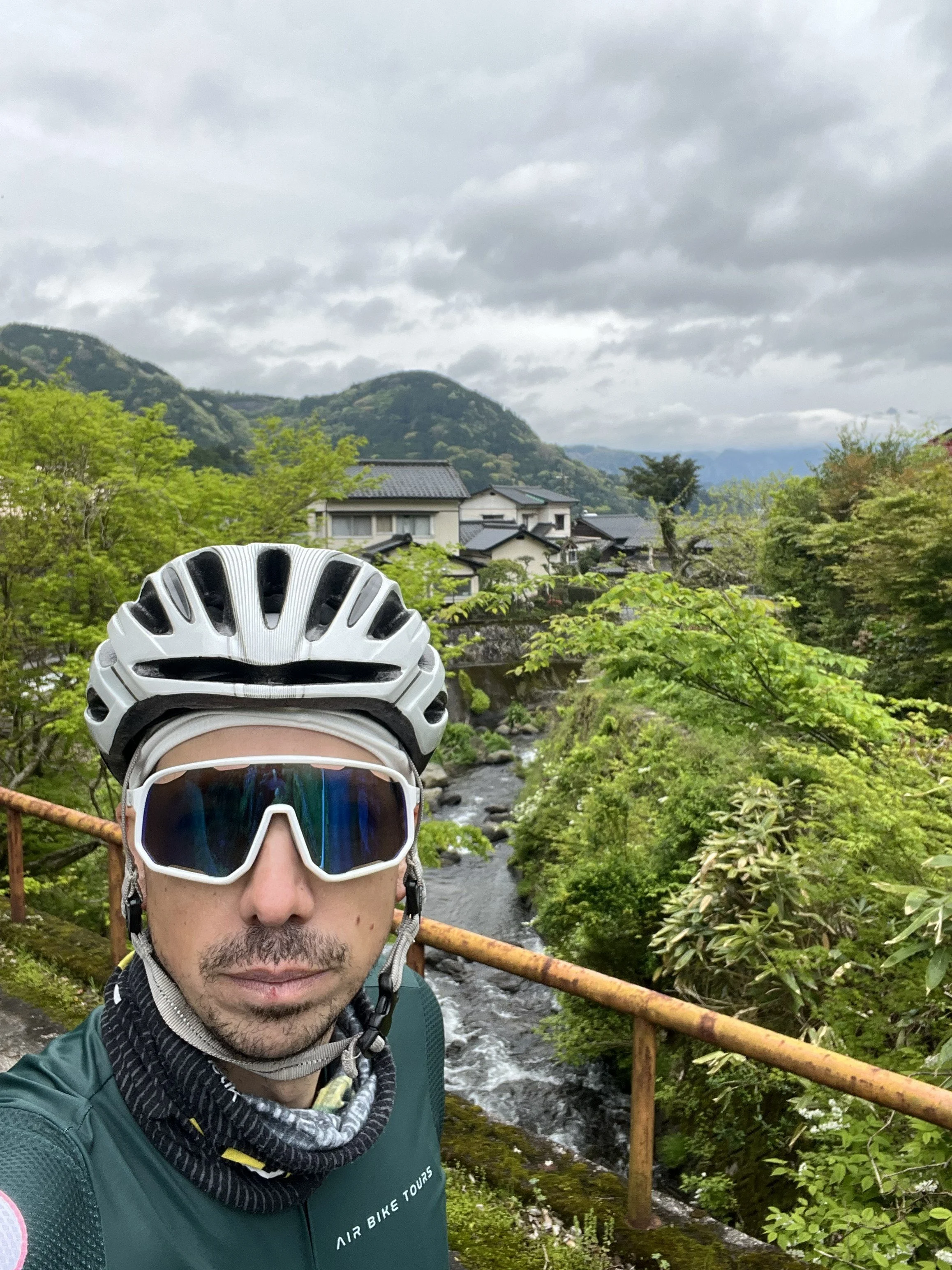
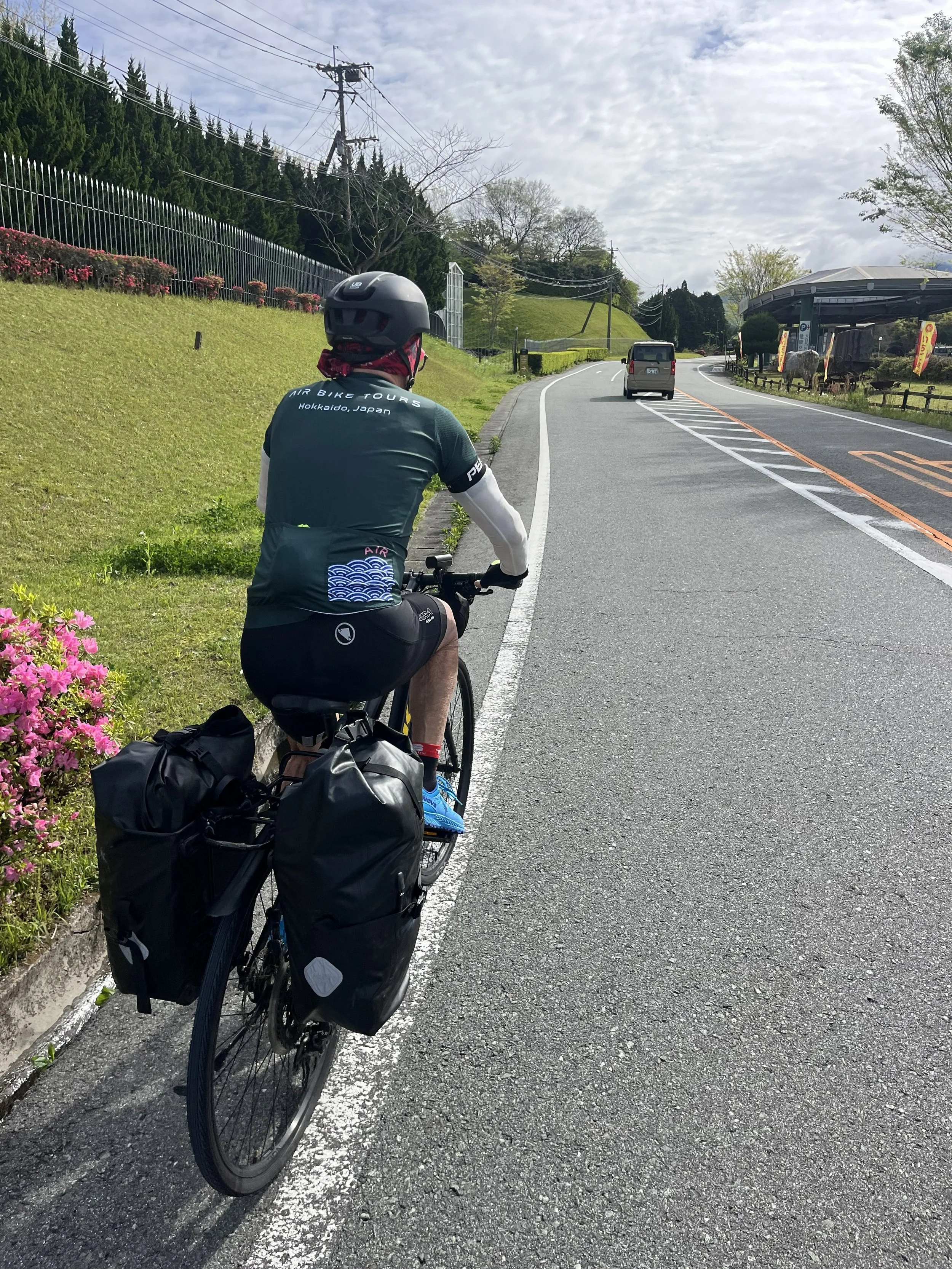
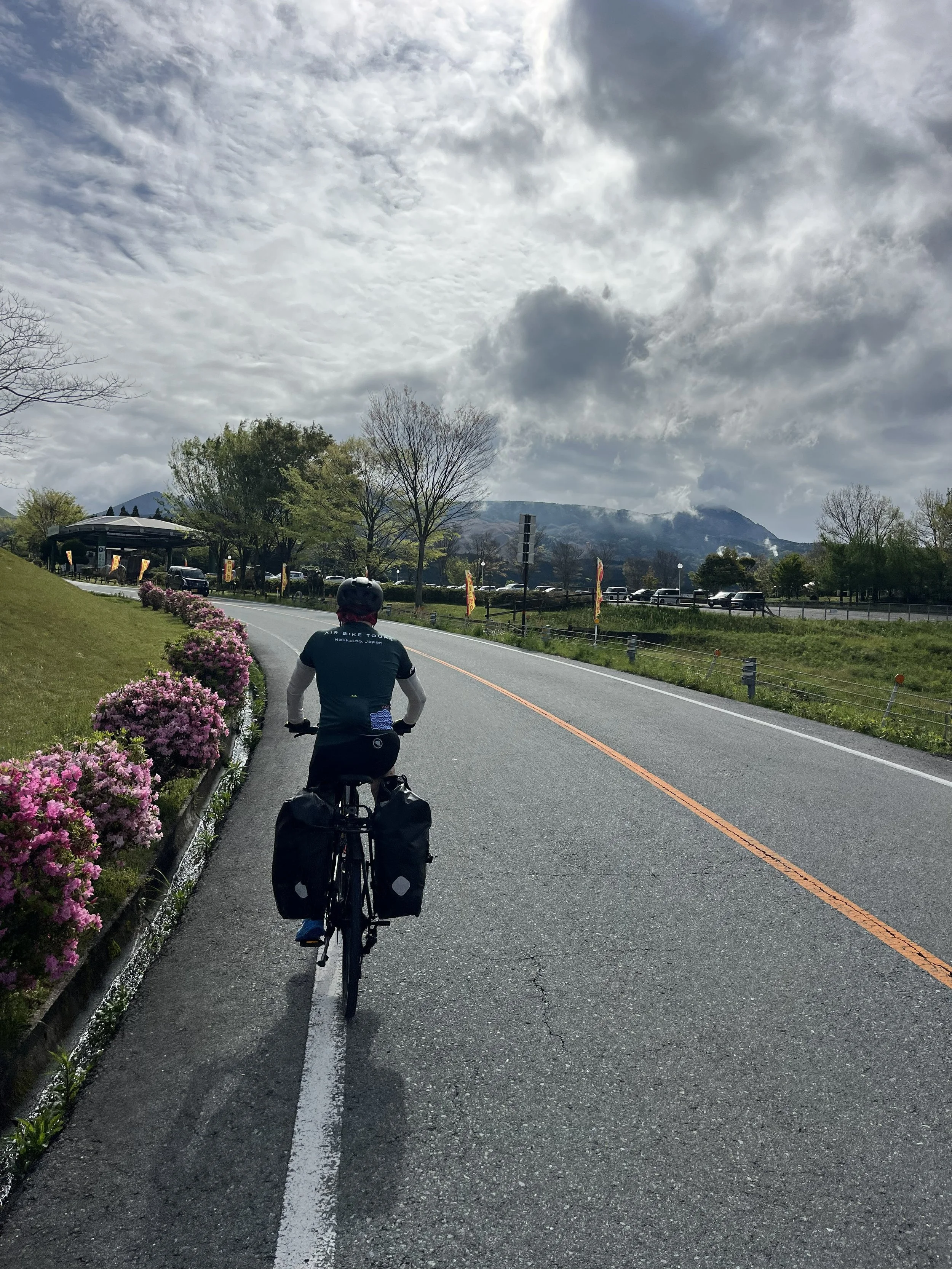
The Inland Pivot: We explored the transition from the coast toward Miyakonojo. The air gets crisper as you move toward the cedar forests, providing a nice change of pace from the humid sea air.
Scouting Takeaways
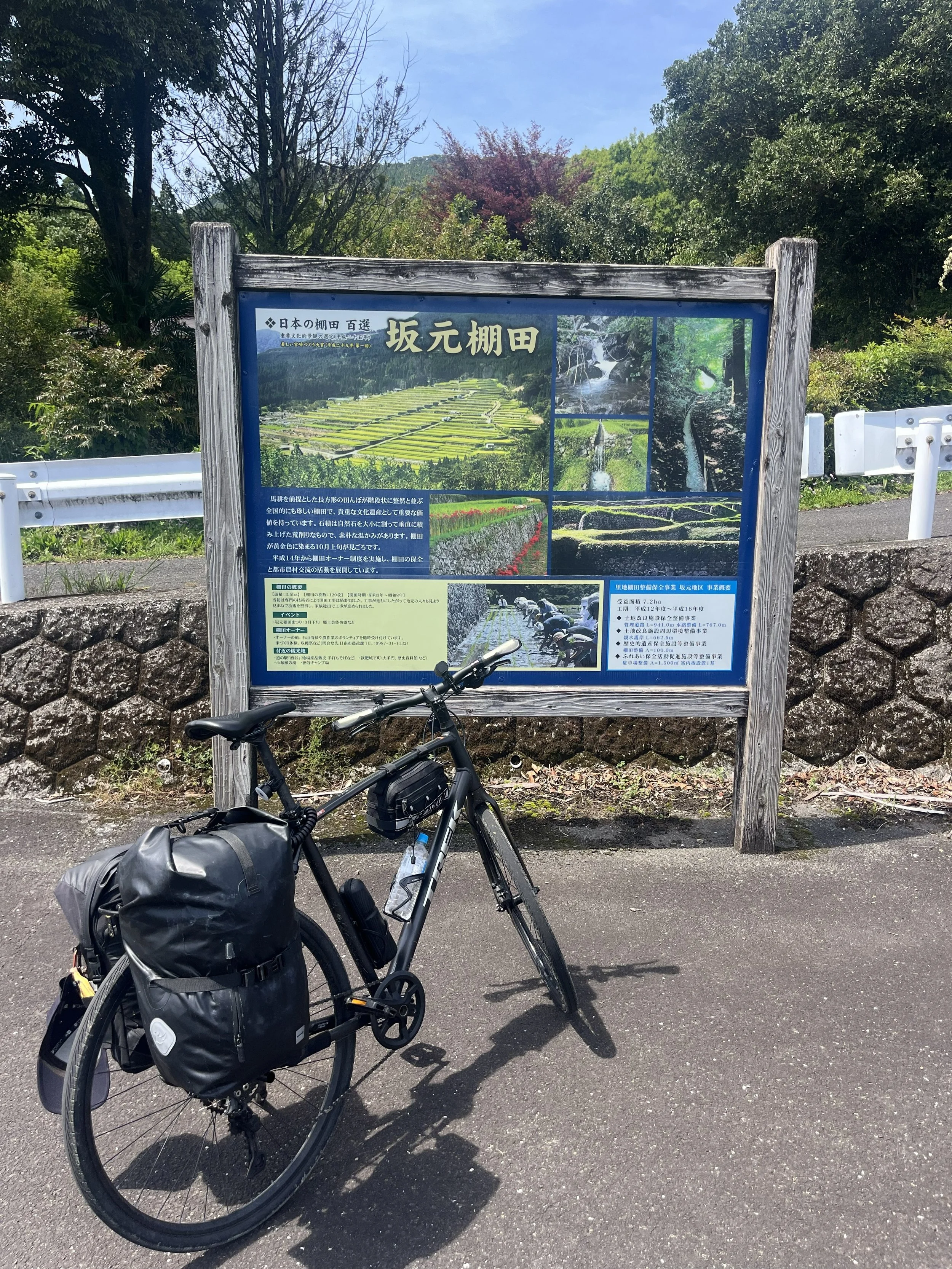
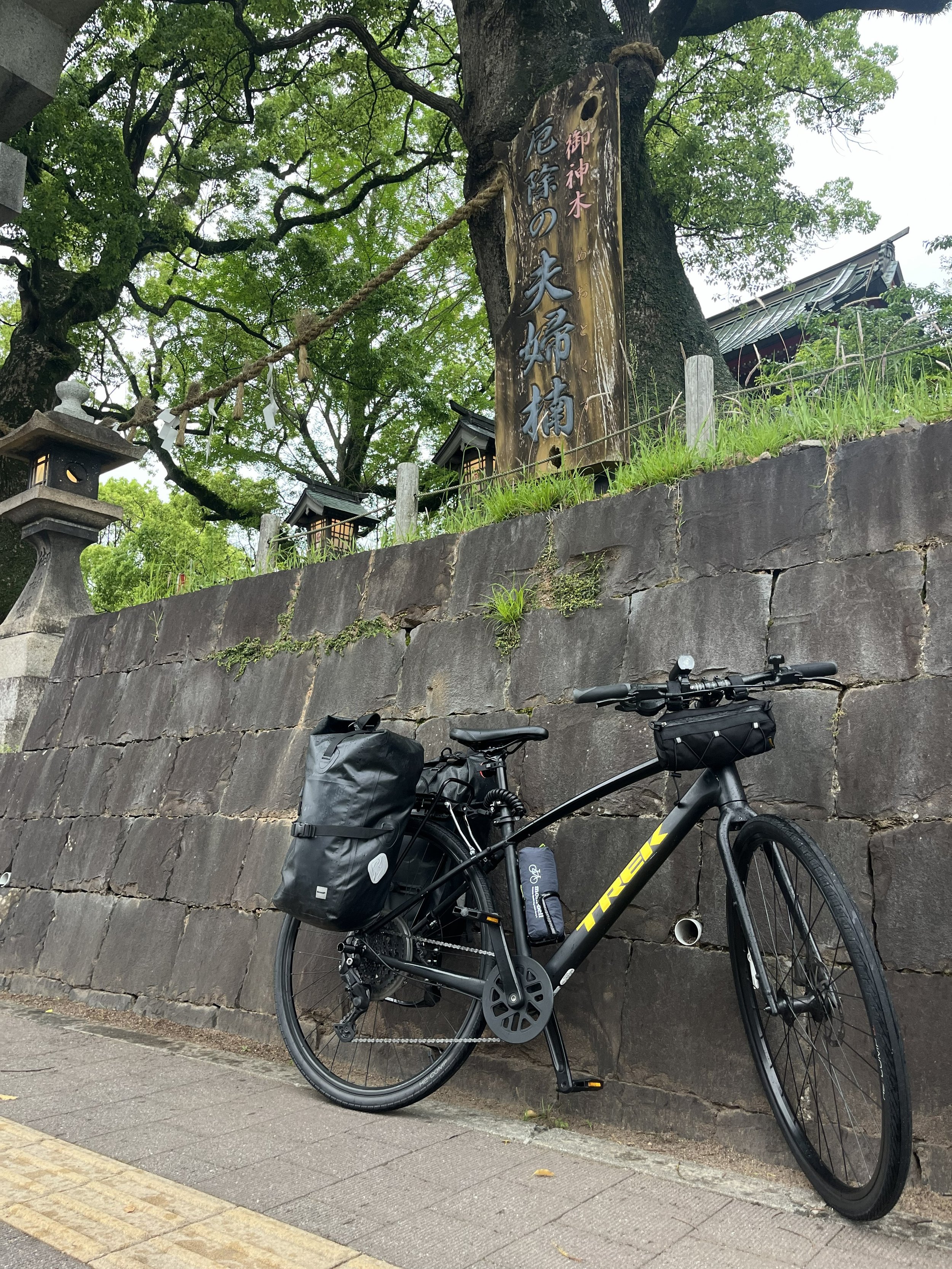
Equipment: We tested some new partner bikes during this trip. We’ll be sharing more technical feedback on those soon, but they held up well through some very messy conditions.
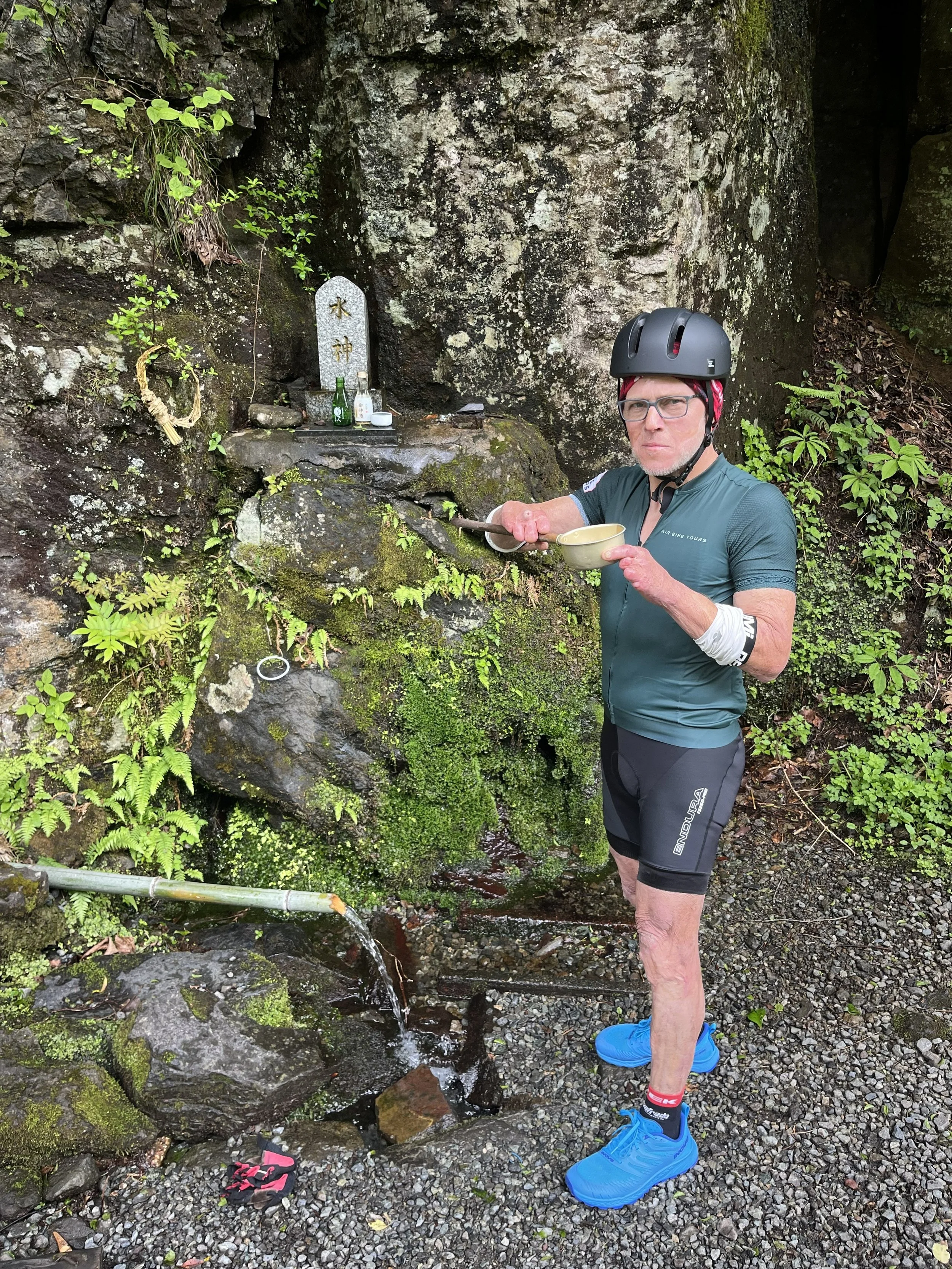
Logistics: We’ve locked in the best Michi-no-Eki (roadside stations) for breaks and scouted some great local fish shops that serve catches straight from the Pacific.
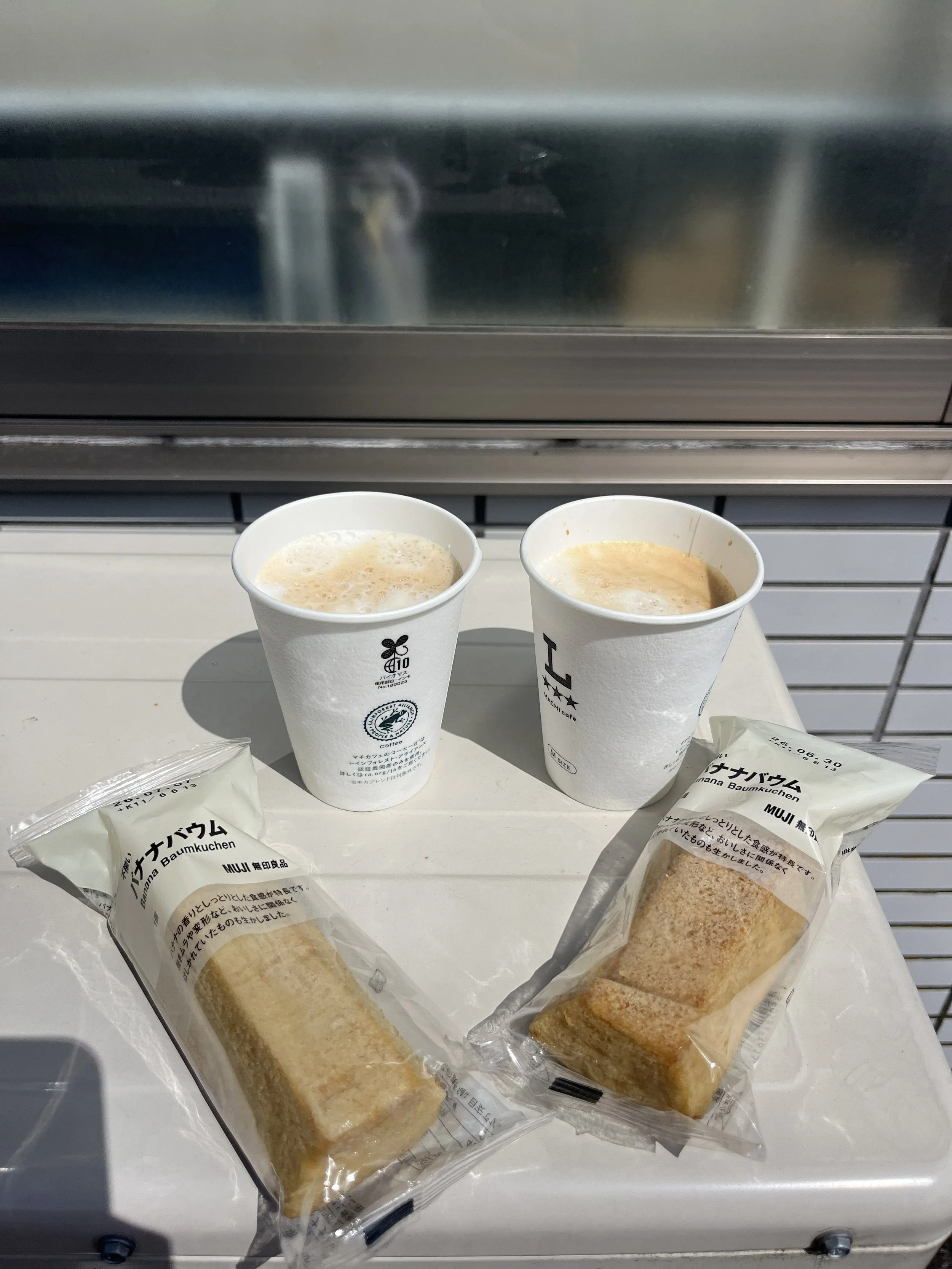
The "Human" Element: From local tips at a Miyazaki convenience store to the kindness of strangers during a rainstorm, the hospitality in Kyushu is what makes this route special.
What’s Next?
We’ve logged the data and refined the detours. Despite the punctures and the downpours, the mission was a success. We now have a solid blueprint for a tour that balances the challenge of the mountains with the flow of the coast.
Keep an eye on @airbiketours for the official Kyushu tour dates.
ABT Scouting Team
