
Kyushu Reconnaissance: The Logistics of Building a Tour
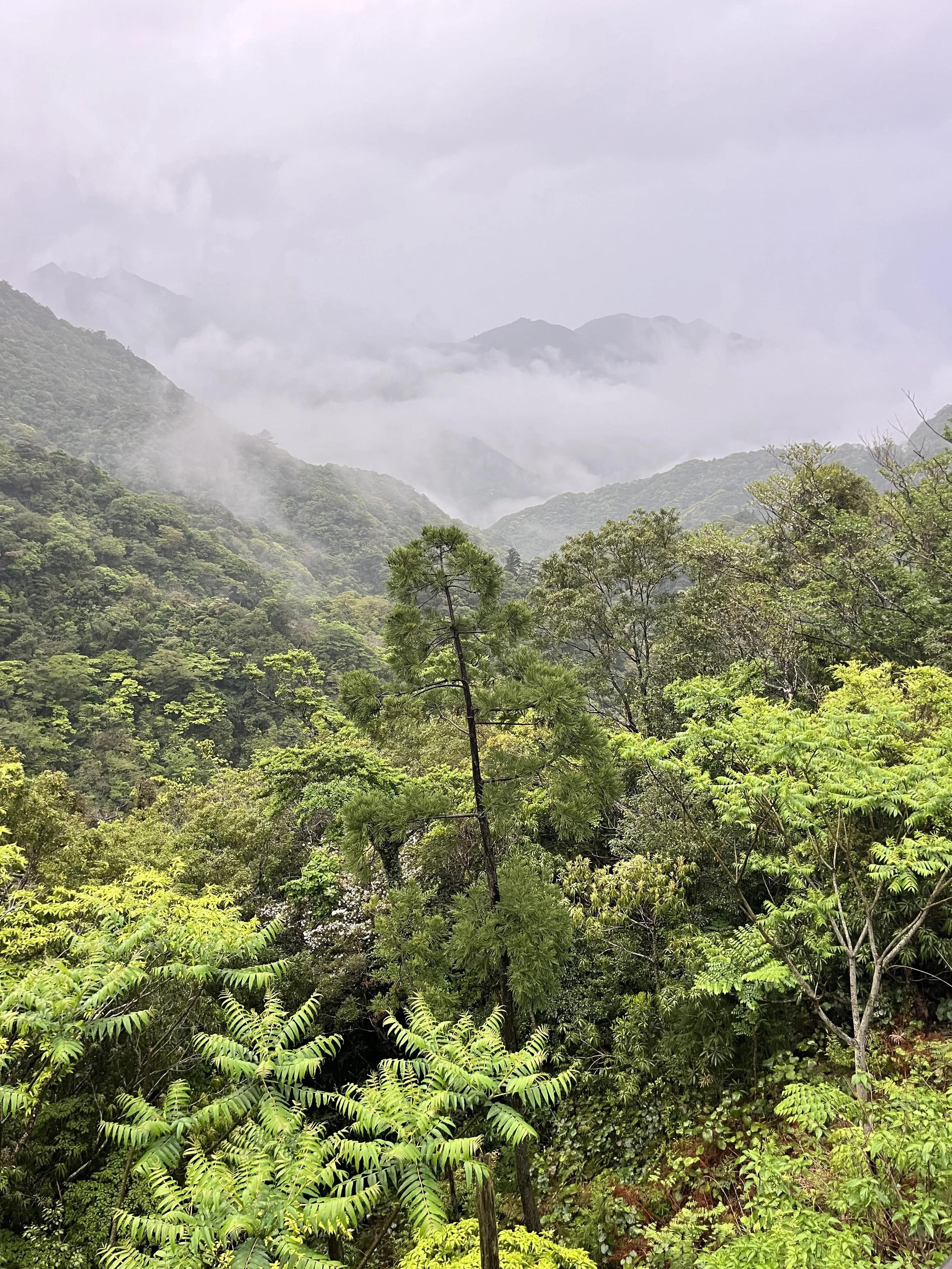
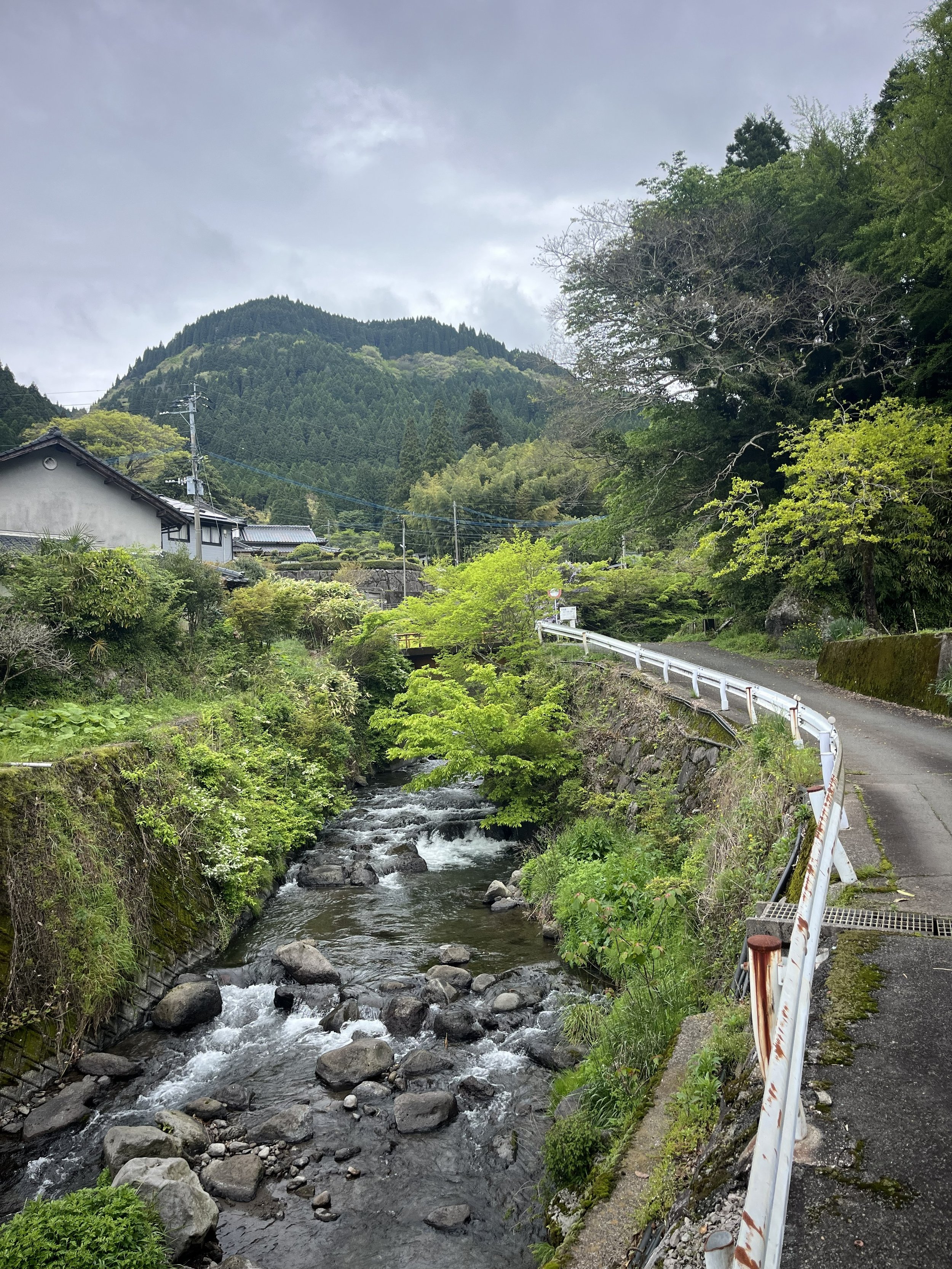
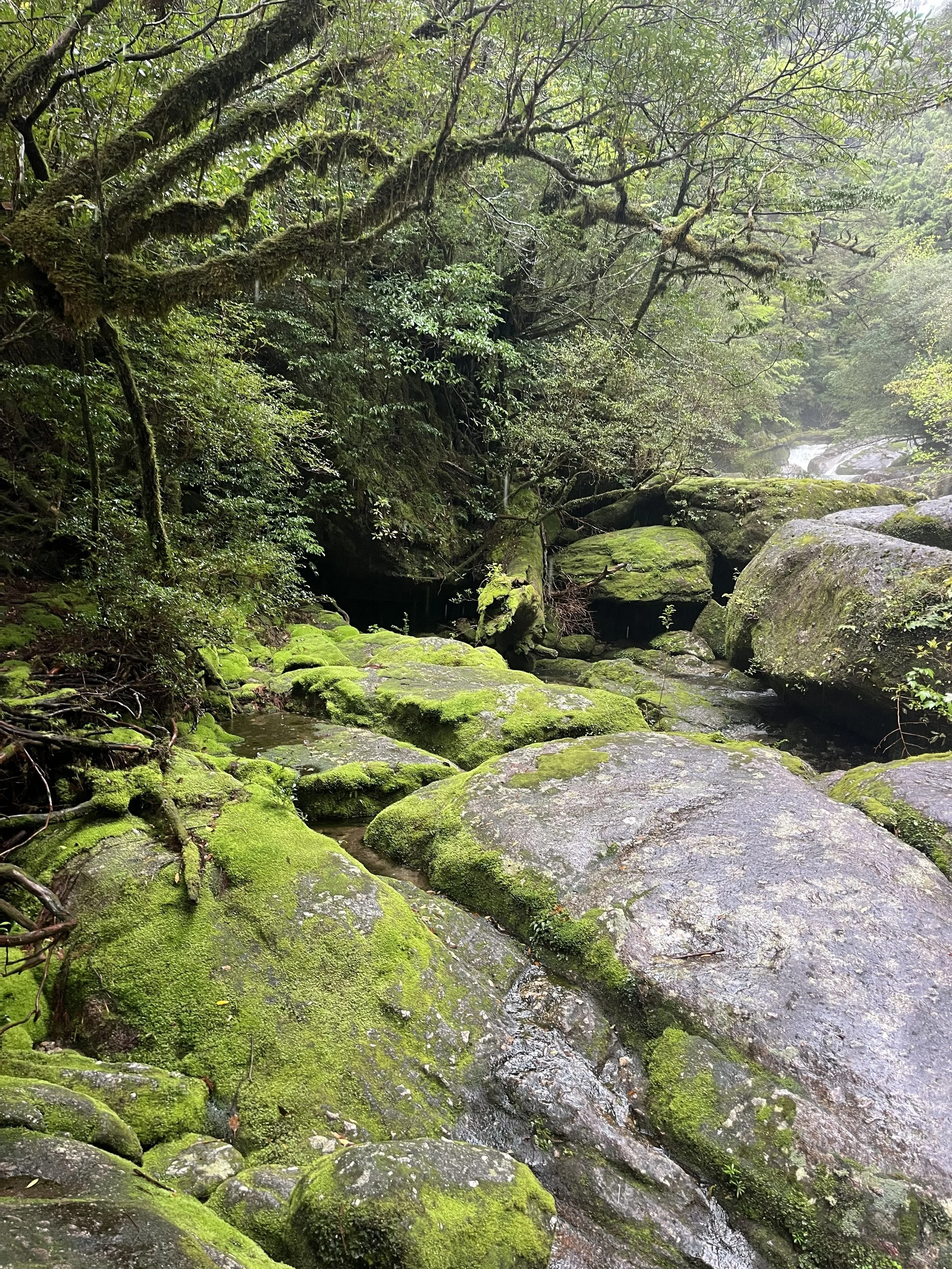
The ABT Scouting Team has just wrapped up a week of field research in Kyushu. While these trips might look like a cycling holiday on social media, the reality is a bit more tactical. Our goal was to gather data, verify the road conditions, and test the logistics required to turn a rugged landscape into a structured tour.
Here is the breakdown of our scouting process.
Transport & Mobility
To maximize our time, the team used the JR Kyushu rail network to move between the island's most interesting cycling zones.
By using Rinko bags (compact bike carry bags), we were able to jump from the volcanic interior of Kumamoto to the coastal roads of Miyazaki in a single afternoon. This allowed us to bypass the less interesting industrial connectors and spend our energy purely on the segments that will eventually make the cut for our tour itinerary.
Managing the Variables
A major part of scouting is seeing how a route holds up when things go wrong. We intentionally look for the "failure points" so a better support plan can be built.
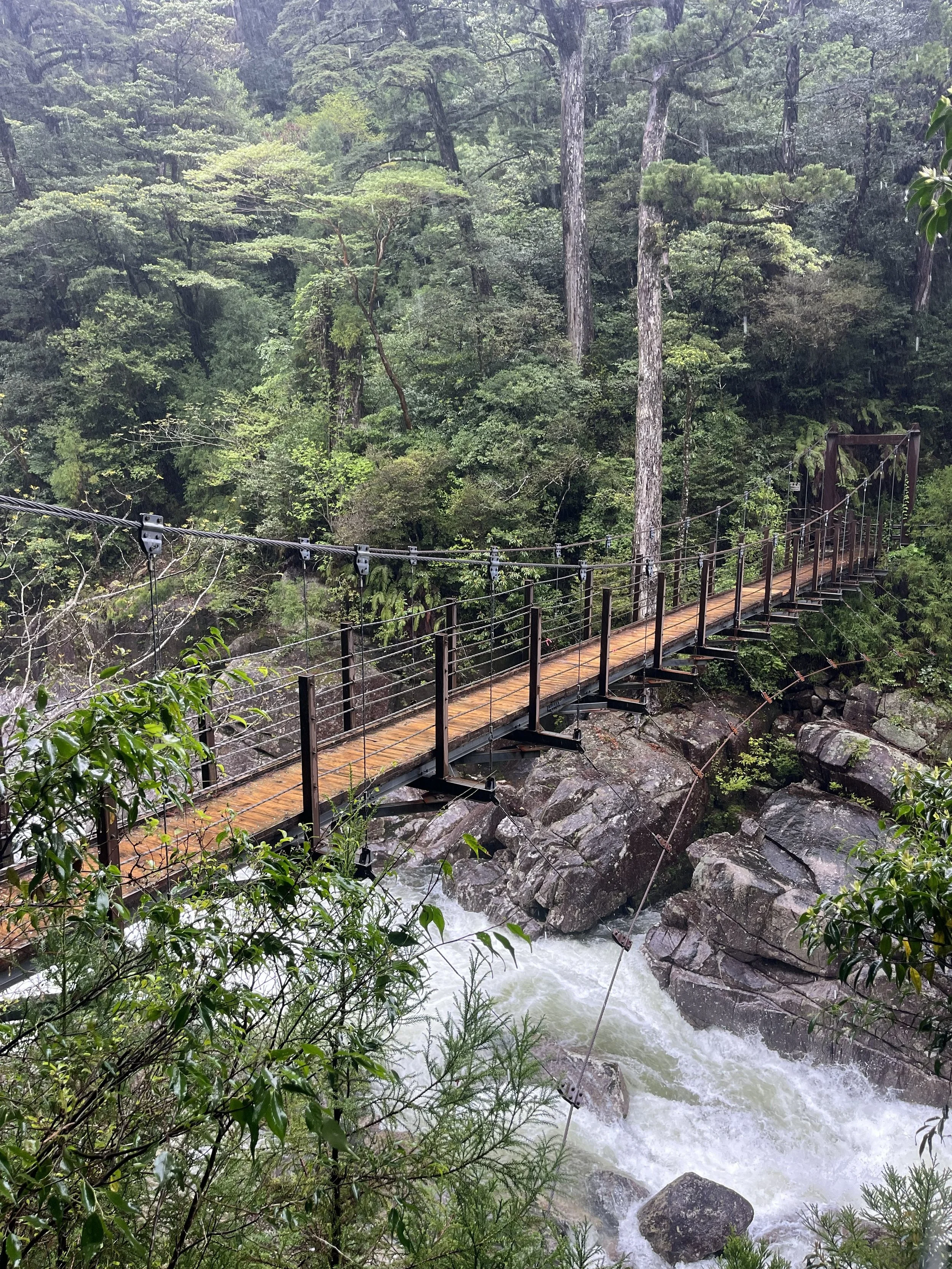
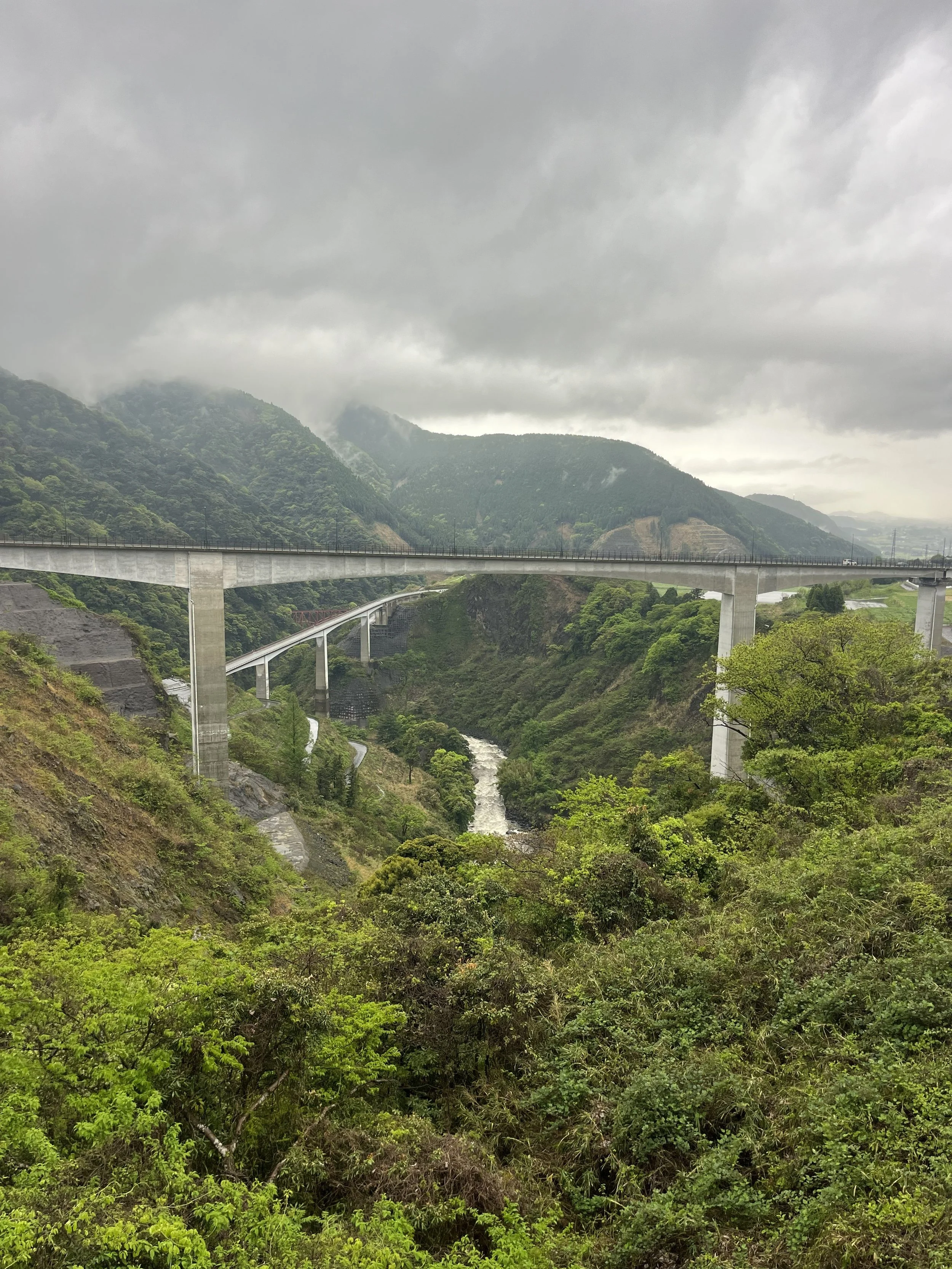
Weather Pivots: In the Aso region, a heavy 50 L/m2 rainstorm we couldn't ride our planned loop. Instead, we used the time to map out the area by car and train, identifying the best cafes, shelters, and indoor landmarks, like the Shin Aso Ohashi Bridge, that keep the experience valuable even when it's pouring.
Climate Checks: Climbing into the Kuju Mountains, we saw temperatures drop to 8°C. This data will help us set realistic packing lists for our guests and determine exactly where a support vehicle would be most critical for warmth and safety.
Mechanical Resilience: A puncture near Kumamoto gave us a chance to test our response time and tool kits in a wet environment. It’s a small detail, but it ensures our mechanical support is dialed in for the real thing.
Evaluating the "In-Between" Moments
A tour is defined by more than just the time spent in the saddle. We spent a significant portion of this trip on the ground, vetting the stops:
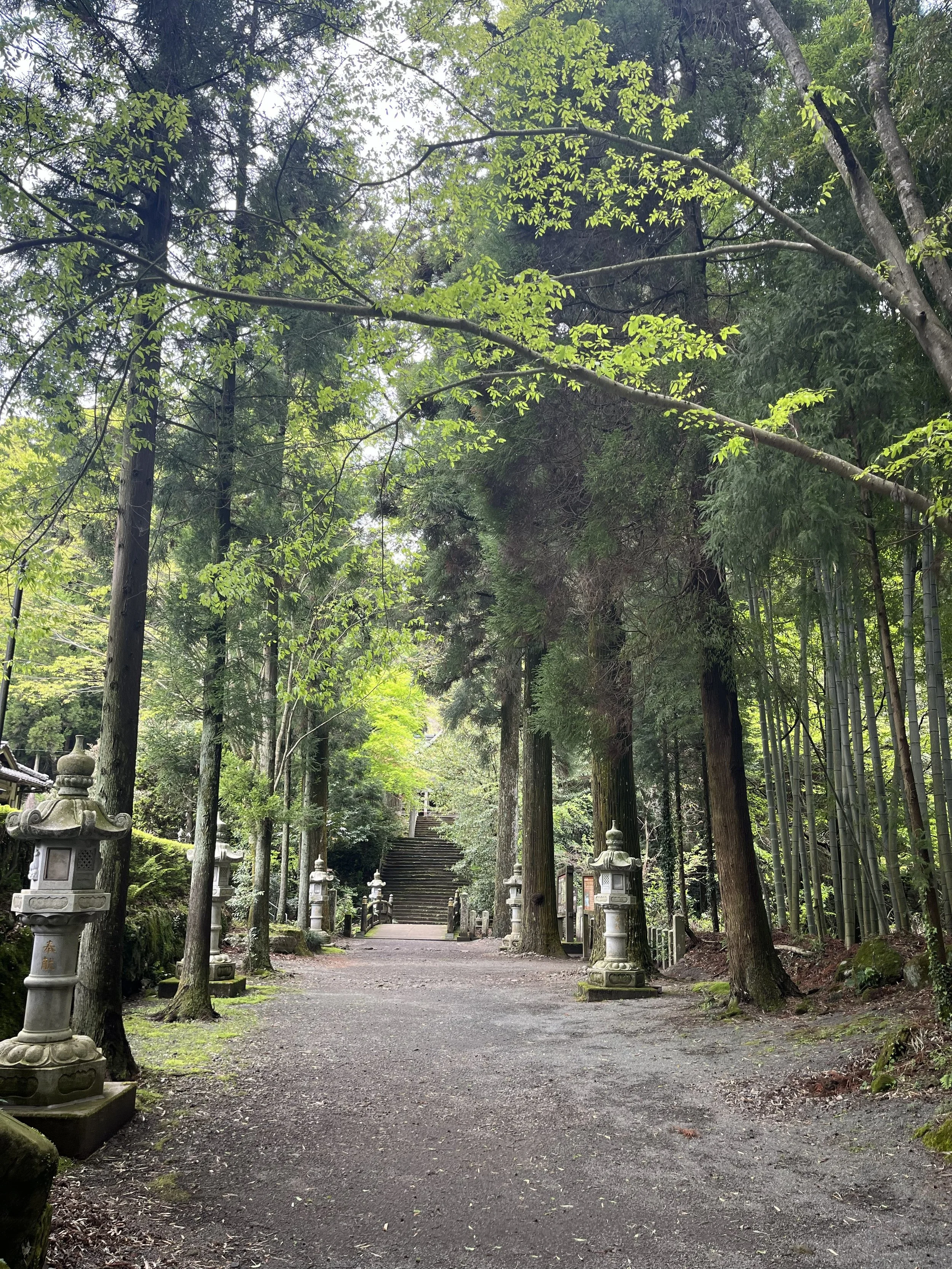
Cultural Sites: We visited locations like Kokuzo Shrine and Obi Castle to check bike accessibility. We look for paved parking, proximity to the road, and whether the historical context adds enough value to justify the stop.
Nutrition & Fuel: We vetted several Michi-no-Eki (roadside stations) and local fish shops. We’re looking for high-quality local food, like the fish cakes in the Nichinan region, that can comfortably accommodate a group of cyclists.
Recovery Logistics: We personally visited onsens in Kuju and Beppu to evaluate their suitability for post-ride recovery, ensuring they are accessible and offer the right facilities for our guests.
Equipment Trials
We used this trip to test a potential partner's bike fleet. By riding their equipment through heavy mountain climbs and salty coastal crosswinds, we can verify their durability and gear ratios. If the bikes can handle our scouting team's pace in a Kuju storm, we know they are fit for our clients.
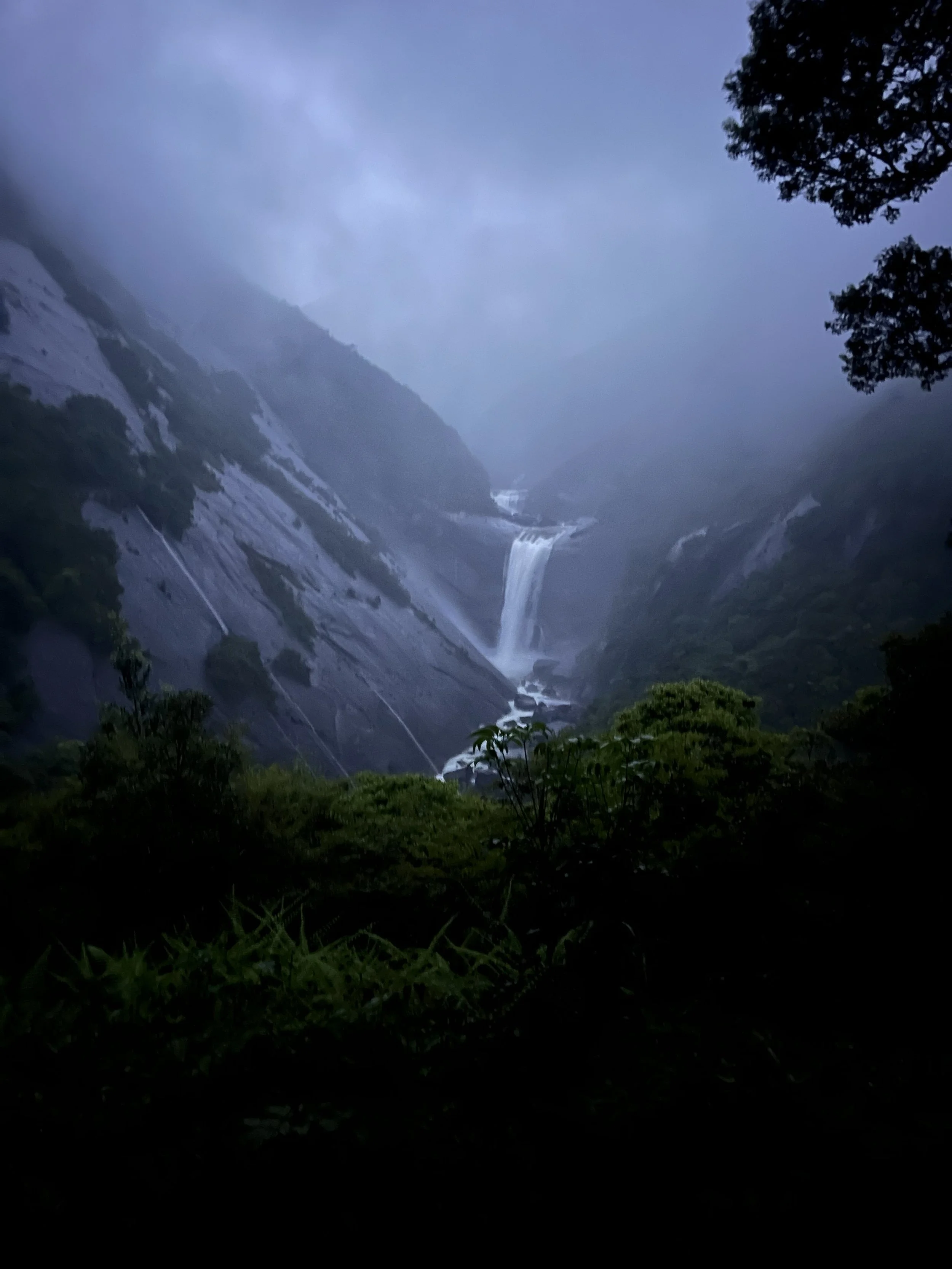
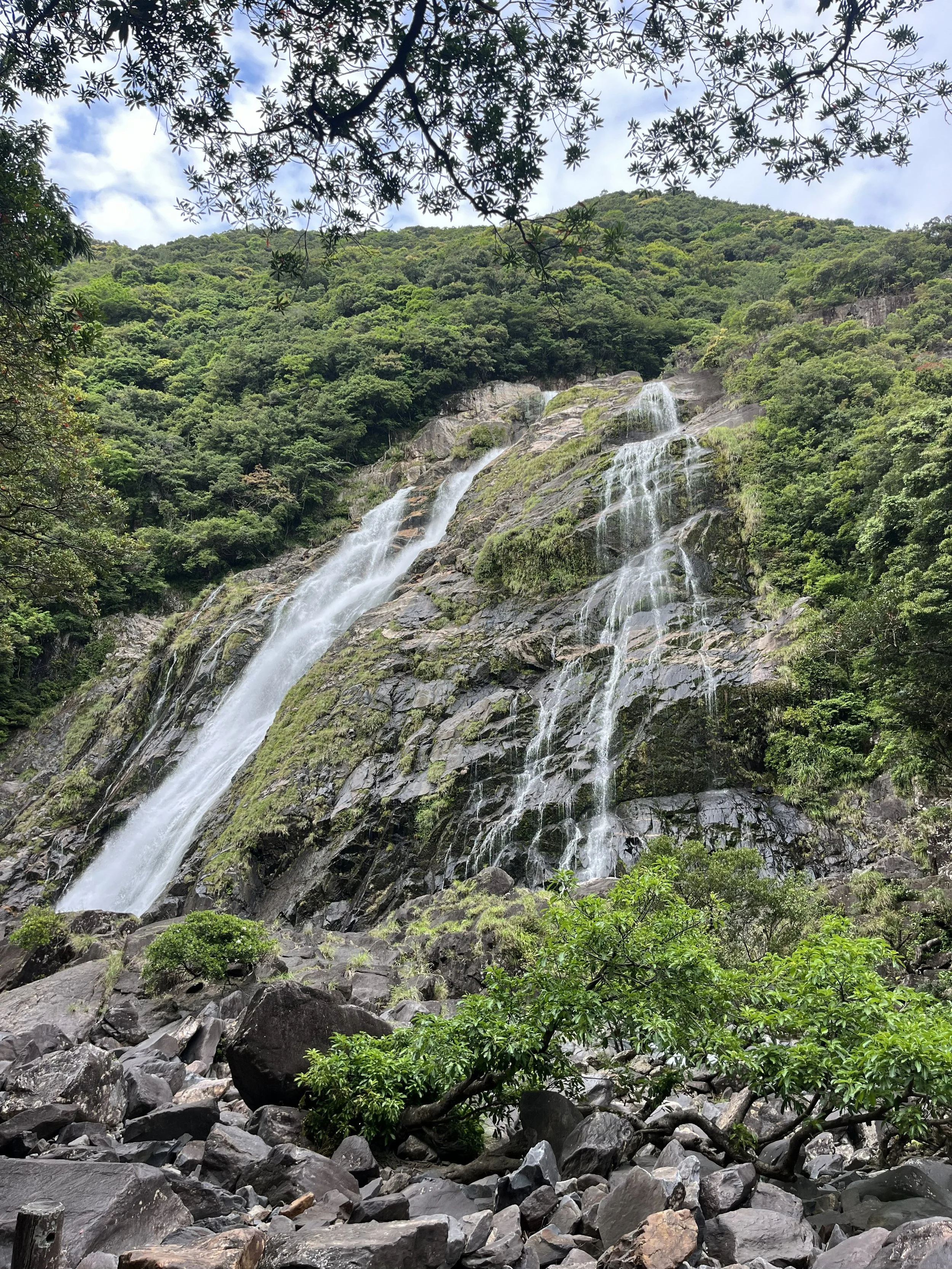
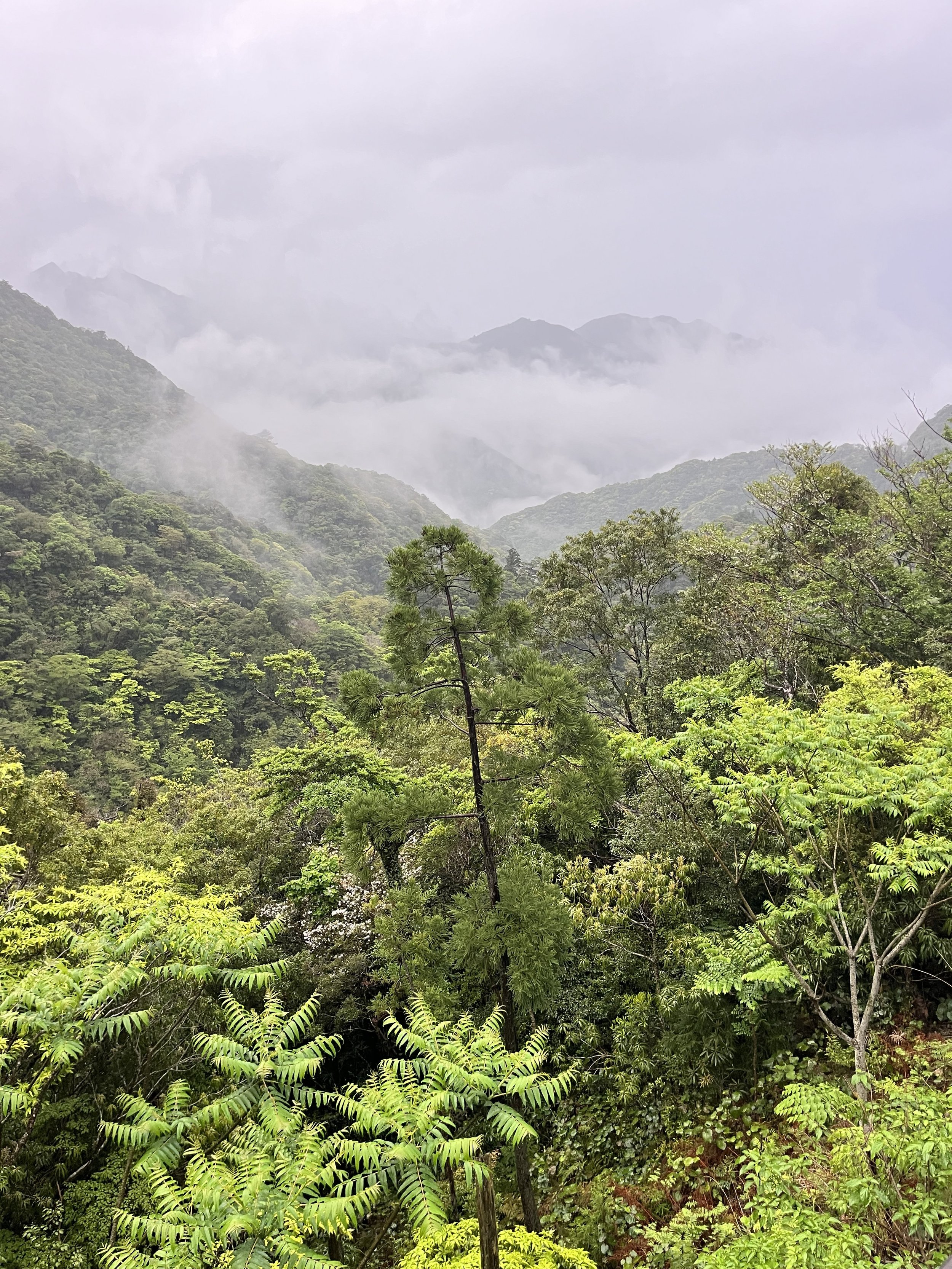
The Final Blueprint
With the data logged and the detours mapped, we are now moving into the final planning phase. We’ve found the best roads, tested the backup plans, and met the locals who make Kyushu unique.
The recon is done. The tour is being built.
Check @airbiketours for the upcoming Kyushu tour release.
ABT Scouting Team
